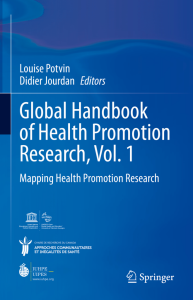
Background
Health promotion, as a strategy (a set of coordinated intersectoral actions) that aims to orient and support social change in order to improve health for all and reduce health inequalities, has been adopted in many countries. However there is not yet a structured field of research, based on a set of paradigms, approaches and methods that is recognised as health promotion research. Health promotion still needs a clear and widely adopted definition that would delineate a coherent body of disciplinary knowledge and methods.
It is timely to map and to understand the practices of health promotion research (in terms of paradigms, ethical framework, research strategies and methods) and their anchor in the ethical system of health promotion.
An ambitious collaborative project
Based on original contributions from leading experts in the field, this Handbook will explore the main theoretical, methodological, empirical and policy challenges and pressing social issues facing health promotion research today. The goal is to bring together experts from different “research traditions” that coexists in the field of health promotion. The ultimate aim is to contribute to the creation of a global community of knowledge production and sharing.
The Call
This call is open to all individuals and groups who conduct research on health promotion practices, and who want to advance health promotion research by reflecting on and sharing their own research practices.
As a first step, we want to receive structured detailed (2 pages) outlines of potential contributions based on how specific research projects or research programs were conducted. Deadline for submitting the outlines is April 15, 2020.
You will find all information and requirements for the outline in the call below :
Call Handbook of Health Promotion Research
The Handbook of Health Promotion Research will be published under the auspices of the UNESCO Chair and WHO Collaborating Centre “Global Health & Education” and the Canada Research Chair on Community Approaches and Health Inequalities, in partnership with the International Union for Health Promotion and Education. The editors are Didier Jourdan and Louise Potvin.


 The annual International Adolescent Health Week (IAHW), will take place this year from 15-21 March 2020. IAAH and the UNESCO chair in Global health and Education are supporting this initiative.

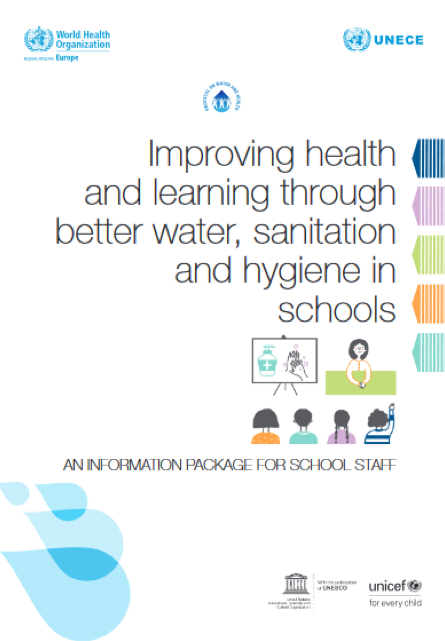
 The school environment plays an important role in the educational success, well-being and health of students. The quality of life at school (the physical and/or social environment) represents one of the key determinants of successful education. Adequate access to water, sanitation and hygiene in schools is every child’s right, as recognized in the 2030 Agenda for Sustainable Development, the Protocol on Water and Health and the Ostrava Declaration on Environment and Health. Both schools and local authorities are heavily involved to ensure that pupils are cared for in the best possible conditions. Within the Water, sanitation and hygiene (WASH) programme, WHO Europe has just published an information package and tool aimed at supporting schools and local authorities in this area: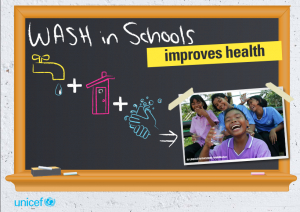


 On Friday November 8th, ASCD (Association for Supervision and Curriculum Development) launched the ASCD Whole Child Network:


 About Didier Jourdan