Health

Global Forum of WHO Collaborating Centres, Lyon, 7–9 April 2026

Global Forum of WHO Collaborating Centres, Lyon, 7–9 April 2026

From 7 to 9 April 2026, Lyon hosted the first Global Forum of WHO Collaborating Centres, with the theme ‘Collaborating for a Healthier Future’, alongside the One Health Summit 2026 and bringing together global experts from hundreds of institutions designated as WHO Collaborating Centres across more than 80 countries. This Forum aims to strengthen the scientific and technical contribution of these centres to the WHO’s Fourteenth General Programme of Work (GPW 14) and the “Health for All” agenda.

During a session dedicated to the role of Collaborating Centres, the WHO Regional Director for Europe, Hans Kluge, and Didier Jourdan, Head of the FR-135 Collaborating Centre and holder of the UNESCO Chair Global Health & Education, spoke jointly. Hans Kluge set out the strategic framework for the European Region, emphasising the need for strong networks of Collaborating Centres to support countries in the context of multiple crises.

Didier Jourdan illustrated this framework based on the experience of WHO Collaborating Centres, highlighting three key developments for the network:

  • moving from scattered initiatives to genuine work programmes aligned with EPW2 and GPW 14;
  • strengthening links with the WHO Academy to roll out evidence-based training on a large scale; and
  • using health education and literacy as a structural response to the crisis of mistrust in science and institutions.

Together, they championed the idea of Collaborating Centres conceived not only as ‘centres of excellence’, but as interconnected ‘centres of capacity’, serving education systems, health professionals and communities.

Read the presentation of Professor Didier Jourdan

Posted by Didier in News
Putting community engagement at the heart of action: WHO global curriculum guide for community health workers

Putting community engagement at the heart of action: WHO global curriculum guide for community health workers

The WHO has published a global reference guide for the training of community health workers. This competency-based curriculum provides a comprehensive framework for designing or adapting training programmes, incorporating core modules (home visits, community mobilisation, data collection, ethics) and specific modules (maternal and child health, chronic diseases, mental health, WASH, emergencies), with a view to strengthening the quality of primary care and universal health coverage.

This guide, designed for government departments, training institutions and frontline teams, helps to clarify the roles of community health professionals, to integrate scientific knowledge, professional expertise and the experiential knowledge of communities, and to address the social and economic determinants of health with a view to promoting health and reducing inequalities.

The guide is freely available on the WHO website.

Posted by Didier in News
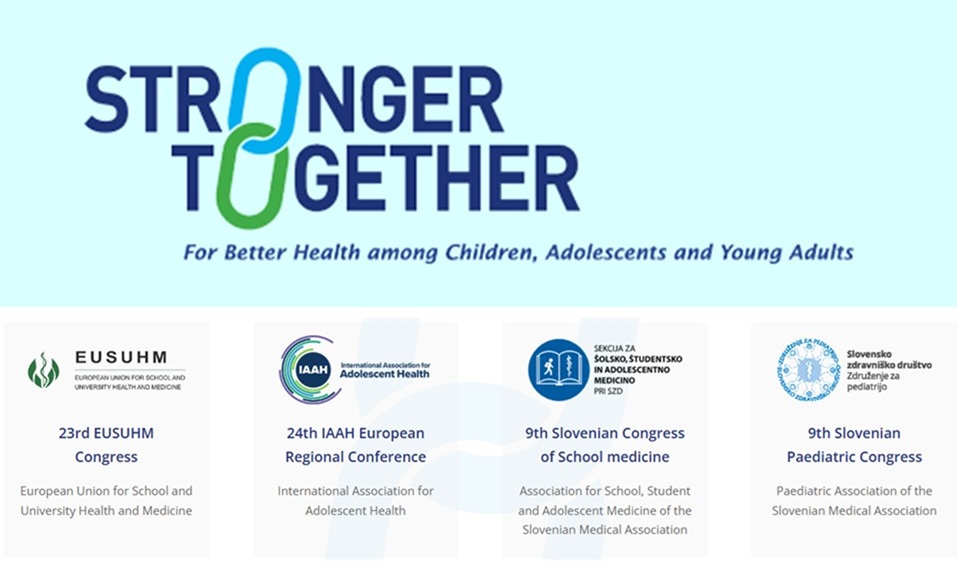
24 – 26 September 2026 : STRONGER TOGETHER – For Better Health among Children, Adolescents and Young Adults

24 – 26 September 2026 : STRONGER TOGETHER – For Better Health among Children, Adolescents and Young Adults

The Joint International Paediatric, School and Adolescent Medicine and Health Congress “STRONGER TOGETHER – For Better Health among Children, Adolescents and Young Adults” will be held from 24 – 26 September 2026 in Portorož, Slovenia. This event will bring together experts from across Europe who are dedicated to supporting young people in their transition from childhood to adulthood.

This congress is being organized collaboratively by four leading associations in the fields of pediatric, school, and adolescent health:

  • ZZP (Slovenian Paediatric Association of the Slovenian Medical Association)
  • EUSUHM (European Union for School and University Health and Medicine)
  • IAAH (International Association for Adolescent Health)
  • SSSAM (Slovenian Association for School, Student and Adolescent Medicine of the Slovenian Medical Association)

Scientific program

The scientific program will address current issues in physical and mental health, prevention, health promotion, and the social determinants affecting youth development.

The congress will also provide an excellent opportunity for networking, sharing experiences, and strengthening interdisciplinary collaboration among professionals from diverse backgrounds.

Topics related to pediatrics, school, adolescent and student medicine and health

  • Preventive Medicine:
    screening programs, health education, public health campaigns, preventive health examinations, health promotion, vaccination, risk factors, environmental impacts on health
  • Sports Medicine:
    healthy athletic development, health risks for athletes, injury prevention, monitoring of physical performance, sports nutrition, rest and recovery
  • Chronic Diseases:
    challenges and support programs in the management of chronic patients, transition of care, modern approaches and therapies, monitoring of chronic patients
  • Sexual Health:
    education for healthy sexuality, contraception, sexual identity, sexually transmitted diseases
  • Emergency Medicine:
    2025 resuscitation guidelines
  • Mental Health:
    mental health care, recognition of mental health problems, support services, sources of help
  • Open Topics:
    development of school, student, and adolescent health care, health system policies, health-related behaviors in adolescents, other relevant topics

Abstract submission and more information

Abstract submission is open until 31 March 2026.

For more information visit the conference website.

Posted by Didier in News
La Trobe University and UNESCO Chair GHE join forces to reduce health and social inequities

La Trobe University and UNESCO Chair GHE join forces to reduce health and social inequities

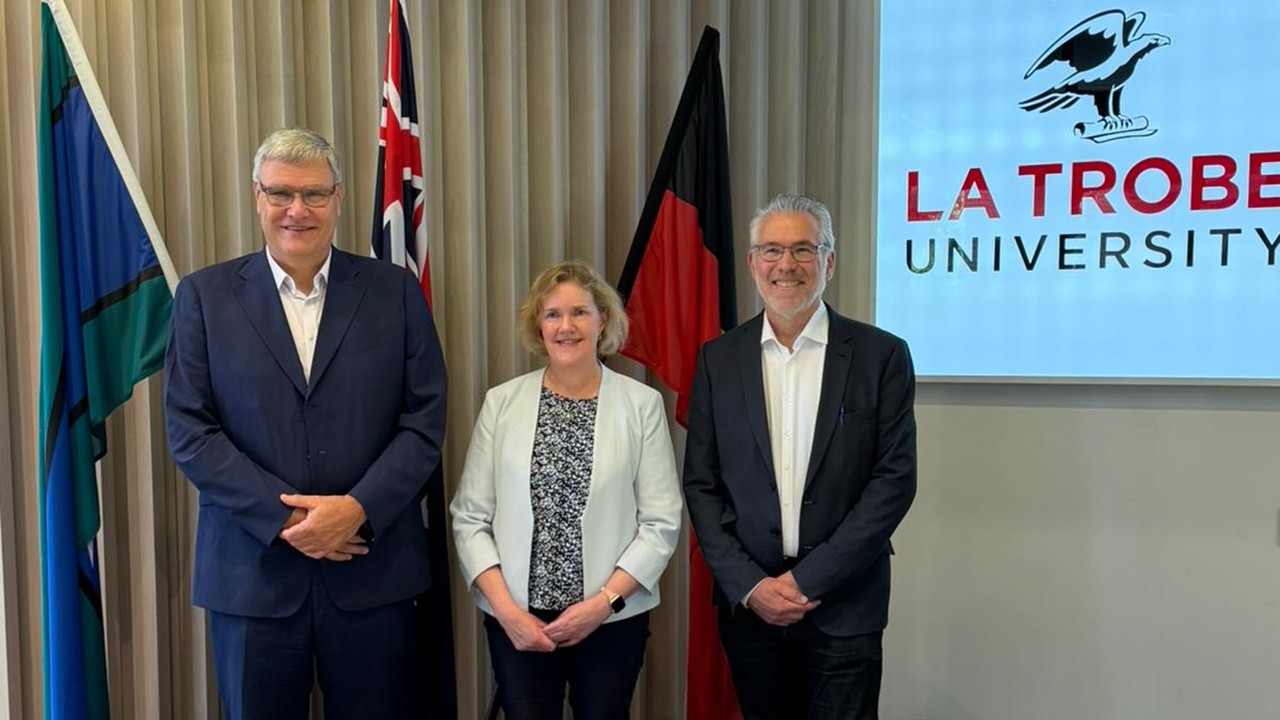
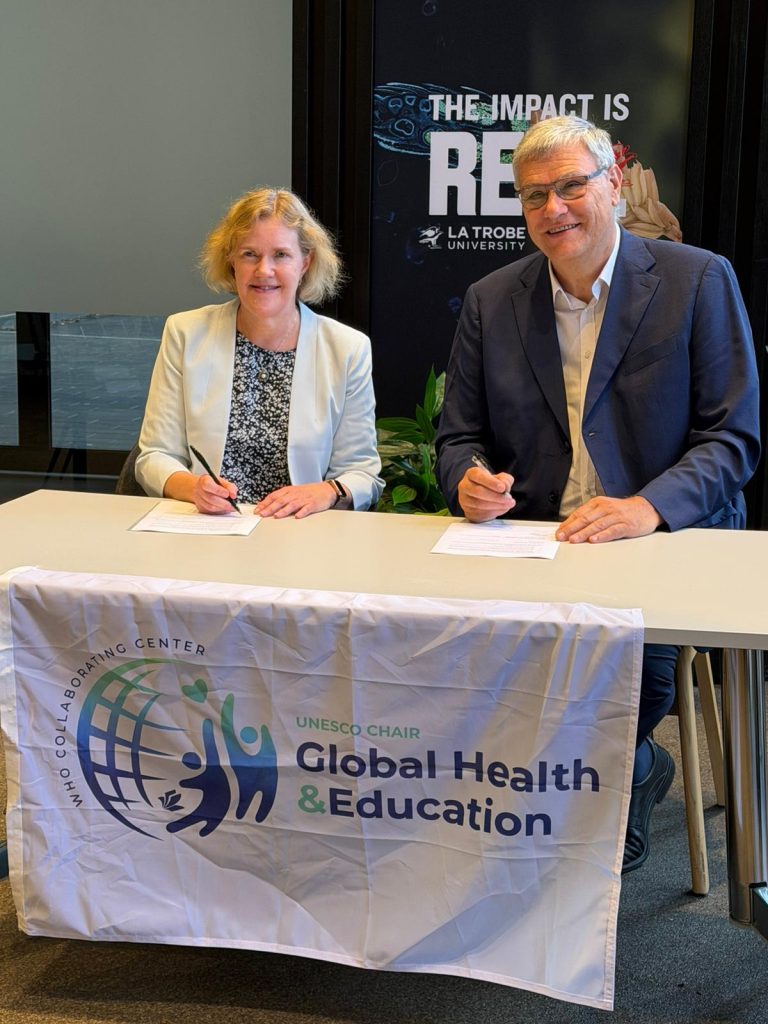
La Trobe University in Melbourne, Australia, has become the newest member of the UNESCO Chair Global Health & Education community following the signature of a Memorandum of Understanding with the University of Clermont Auvergne Foundation, host institution of the UNESCO Chair. The agreement was signed on 22 January 2026 at La Trobe’s Bundoora campus by Professor Coral Warr, Acting Deputy Vice-Chancellor Research and Innovation, and witnessed by Professor Didier Jourdan, chair holder of the UNESCO Chair Global Health & Education.

Through this partnership, La Trobe joins a global network of universities, institutions and practitioners committed to promoting health, equity and quality education for children and young people in their everyday environments. La Trobe’s contribution will be led by Distinguished Professor Richard Osborne and the Global Health and Equity Development Hub, internationally recognised for its pioneering work in health literacy, including the Ophelia (Optimising Health Literacy and Access) process and tools to identify and respond to diverse health literacy needs.

The new collaboration will focus on co-producing knowledge, building capacities of education and health professionals, and sharing evidence-informed practices that reduce health and social inequities, particularly in rural and Indigenous communities. Planned activities include joint workshops, case studies, and the co-design of locally relevant interventions and policies at the intersection of health literacy, education and equity.

By joining the UNESCO Chair Global Health & Education, La Trobe University strengthens the Chair’s multidisciplinary and international community and reinforces its ambition to support institutions and professionals in achieving the Sustainable Development Goals related to health, education and the reduction of inequalities.

Posted by Didier in News
UNESCO Chair endorses the Helsinki statement on Investing in Health and Well-being

UNESCO Chair endorses the Helsinki statement on Investing in Health and Well-being

The Helsinki Statement on Investing in Health and Well-being is one of the outcomes of the 18th European Public Health Conference. Urging bold investment in health systems, embedding equity, using “Health in All Policies”, protecting public health from misinformation, and measuring well-being beyond GDP, seeing health as an investment for sustainable societies, not a cost, linking human health with planetary and social sustainability, and promoting an “economy of well-being”.

The Helsinki Statement on Investing in Health and Well-being, remains open for endorsement. Organizations across Europe can still sign and add their voice. EUPHA will build on it throughout 2026, especially during European Public Health Week (4–9 May 2026), when they will work with partners to bring the statement to life in countries and communities.

EPH Conference Helsinki 2025 Joint Statement

Posted by Didier in News
Honorary doctorate awarded to Professor Didier Jourdan

Honorary doctorate awarded to Professor Didier Jourdan

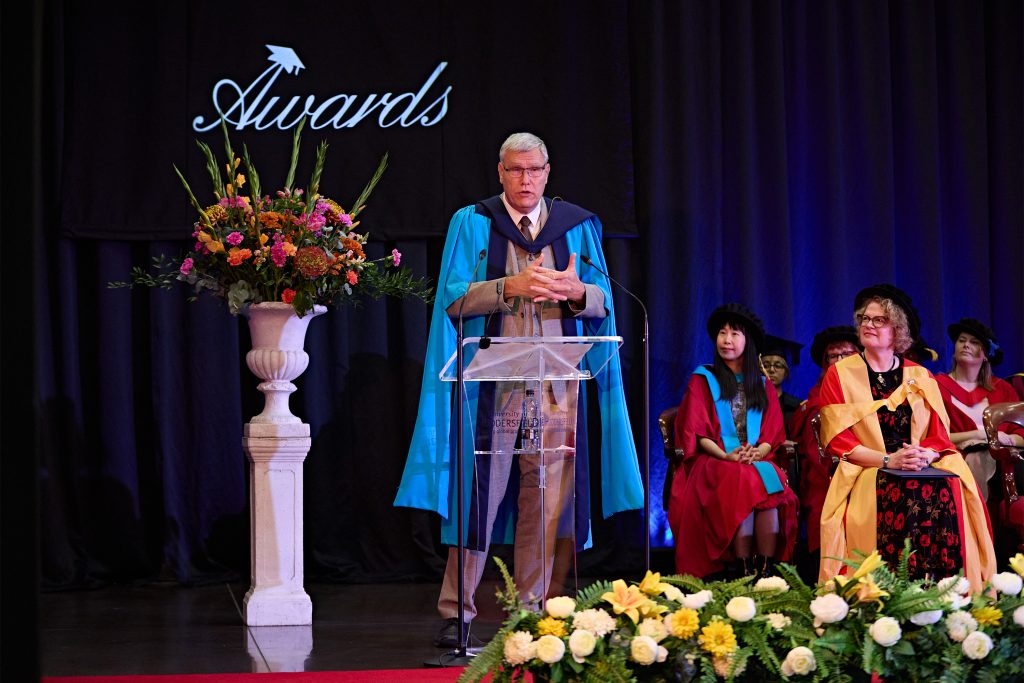
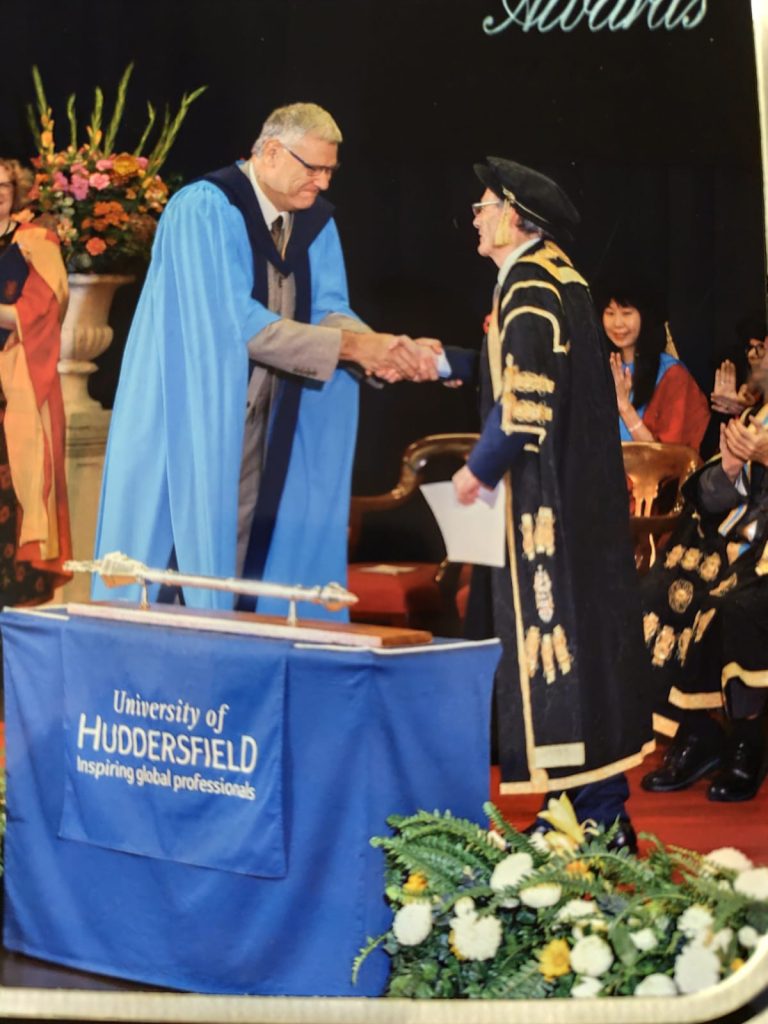
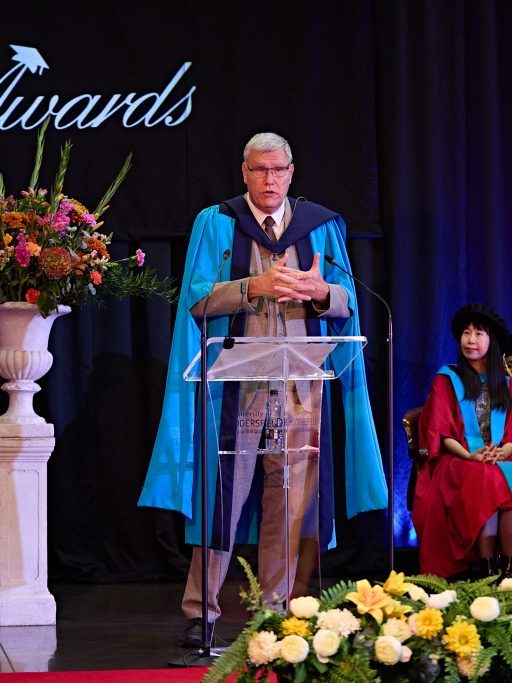
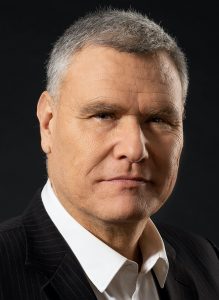
The University of Huddersfield (United Kingdom) has awarded an honorary doctorate to Professor Didier Jourdan, holder of the UNESCO Chair Global Health & Education and professor at University of Clermont Auvergne. This distinction honours his outstanding contribution to health promotion practice, education and research.

In addition to heading the UNESCO Chair, Professor Jourdan coordinates the WHO Collaborating Centre for Research in Education and Health, serves as Vice-President for Communication of the International Union for Health Promotion and Education (IUHPE), and advises numerous institutions around the world on health policies and innovations.

A researcher at the ACTé laboratory (EA 4285), he is the author of numerous scientific articles, books and contributions aimed at researchers and professionals in the fields of health, education and training. Recognised as an international expert in prevention and health education policies, he plays an active role in international collaborations focused on research, training and the implementation of evidence-based public health policies.

At the ceremony, the University of Huddersfield praised his outstanding commitment to improving the lives of students and teachers around the world and his work to promote lifelong learning for health. Professor Jourdan said he received this honour as “a celebration of a shared purpose“, recalling the close ties between the Universities of Huddersfield and Clermont Auvergne, co-hosts of the UNESCO Chair Global Health & Education, united by a joint belief that education and health are inextricably linked, and that both are essential to human flourishing.

Read the full article on the University of Huddersfield website: Pride as honorary doctorates bestowed at graduation – University of Huddersfield

The UNESCO Chair Global Health & Education extends its warmest congratulations to Professor Jourdan on this prestigious distinction, which recognises an exemplary career dedicated to bringing education and health closer together.

Posted by Didier in News
Special issue: Child and Adolescent Health in Europe and Central Asia

Special issue: Child and Adolescent Health in Europe and Central Asia

A special scientific issue by Public Health in Practice, available on ScienceDirect, brings together key articles that support the new Child and Adolescent Health (CAH) strategy in the WHO European Region by providing analysis, evidence and concrete recommendations for its implementation. The recently adopted strategy ‘A healthy start for a healthy life: a strategy for child and adolescent health and well-being in the WHO European Region 2026–2030’ is the result of extensive consultation with governments, experts, civil society and young people themselves. 

The UNESCO Chair Global Health & Education actively contributed to providing the evidence base for the CAH strategy through the article ‘School is more than a place to learn: An intersectoral assessment of adolescent well-being prior to and after the COVID-19 pandemic in the WHO European Region[1], which sheds light on the challenges of adolescent well-being, the impact of the pandemic and the importance of an intersectoral approach to schooling.

Other articles included in the special issue are:


[1] M. Limburg, M. Cronin, M. Black, J.C. Inchley, D. Jourdan, C. Jung-Sievers, P. McHale, E. Rehfuess, M.-C. Tsai, N.J. Gray. School is more than a place to learn: An intersectoral assessment of adolescent well-being prior to and after the COVID-19 pandemic in the WHO European Region. Public Health in Practice, Volume 10, 2025, 100654. ISSN 2666-5352. https://doi.org/10.1016/j.puhip.2025.100654

Posted by Didier in News
Governments across Europe and Central Asia adopt new WHO strategy to give every child a healthy start in life

Governments across Europe and Central Asia adopt new WHO strategy to give every child a healthy start in life

Source: WHO

All 53 Member States of the WHO European Region have unanimously adopted a bold new strategy to improve the health and well-being of children and adolescents across Europe and Central Asia.

Titled A healthy start for a healthy life: a strategy for child and adolescent health and well-being in the WHO European Region 2026–2030”, and developed jointly with the United Nations Children’s Fund (UNICEF), the framework sets a clear vision for a region where every child and adolescent can grow, learn and thrive in good health – physically, mentally and socially.

Adopted at the 75th session of the WHO Regional Committee for Europe in Copenhagen, the strategy is the result of extensive consultation with governments, experts, civil society and young people themselves. It aims to tackle long-standing inequities in child and adolescent health and to respond to new challenges – from mental health and digital risks to the impacts of poverty, climate change and conflict on young lives.

The new strategy calls on countries to strengthen health systems and social policies that support children and families from the very beginning. It also emphasizes the importance of protecting children from harm, including exposure to violence, commercial exploitation, unhealthy products and the potential negative effects of social media. The strategy urges countries to act decisively on several fronts:

  • Participation and empowerment
  • Health equity and inclusion
  • Mental health
  • Health promoting schools
  • Safe and supportive environments
  • Digital well-being

As a WHO Collaborating Center for Reseach in Education and Health the Chair has provided input for the new strategy as well as the underlying evidence.

More information on the WHO website

Posted by Didier in News
Schools4Health Policy Brief Published: Creating Green and Healthy Schools for a Sustainable Future

Schools4Health Policy Brief Published: Creating Green and Healthy Schools for a Sustainable Future

Source: Schools4Health

How can schools respond to the challenges of climate change, declining child wellbeing, and growing inequalities? The Schools4Health project argues that the answer lies in bringing health promotion and sustainability together under one whole-school approach.

Across Europe, nine in ten young people believe that tackling climate change will improve their wellbeing. Their voices remind us that health and sustainability are deeply connected — and that schools are uniquely placed to link these agendas.

While many schools already run health or environmental projects, they are often treated as separate initiatives. This fragmented approach risks missing opportunities to create a stronger, collective impact. The new Schools4Health Policy Brief Creating green and healthy schools for a sustainable future explores how schools can align these efforts, and how the Health Promoting Schools (HPS) framework can provide the foundation for this integration.

What does this mean in practice?

  • School gardens, green play areas, and outdoor learning that support both physical activity and environmental awareness.
  • Healthy eating programmes that also reduce food waste and promote sustainable choices.
  • Whole-school strategies that embed both wellbeing and sustainability into curricula, policies, and partnerships.
  • Student-led initiatives that empower young people to take action for their own health and the planet.

Lessons from Europe

The brief showcases examples of how countries are already moving in this direction:

  • Finland integrates wellbeing and sustainability as cross-cutting themes in its National Core Curriculum.
  • Italy has legislated for climate and sustainability education across all school levels.
  • The Netherlands is expanding its Healthy School Programme to cover environmental and sustainability issues.
  • Greece supports teachers with sustainability coordinators at district level.
  • Hungary promotes environmental awareness from an early age through its Green Kindergarten Network.

Why Schools4Health?

Schools4Health is an EU-funded project bringing together partners from 11 countries to strengthen the Health Promoting Schools approach across Europe. By supporting local pilots, cross-country exchanges, and policy work, the project shows how schools can be catalysts for healthier, fairer, and more sustainable societies.

Our third policy brief, Creating green and healthy schools for a sustainable future, sets out recommendations for policymakers, educators, and communities — from embedding health and sustainability in curricula to building cross-sector structures and empowering students as agents of change.

Read the full brief here.

Access the second brief here: Health Promoting Schools as a Lever for Equity in Education  and the first one at: Why Invest in Health Promoting Schools.

Find out more at www.schools4health.eu

Posted by Didier in News
International Round Table Explores Global Perspectives on Good Healthy Schools

International Round Table Explores Global Perspectives on Good Healthy Schools

On 9 April 2025, the Good Healthy Schools Initiative (GHSI) convened its first international Round Table, bringing together experts from across Europe, Africa, Asia, and North America to discuss how health can be systematically embedded into education systems. The online event, organized by Leuphana University of Lüneburg and funded by the German Social Accident Insurance (DGUV), marked a pivotal step in the Initiative’s ambition to promote “Good Healthy Schools” through international dialogue and cooperation.

Linking education and health

Moderated by Goof Buijs, manager of the UNESCO Chair Global Health & Education, the Round Table opened with a keynote by Prof. Dr. Peter Paulus, Director of the Center for Applied Health Sciences at Leuphana University and Head of the GHSI project. Paulus outlined the German model of the Good Healthy School and highlighted the strategic importance of linking education and health as mutually reinforcing dimensions of school development. His remarks set the stage for the international perspectives that followed.

Contributions came from representatives in Botswana, Hong Kong, Spain, Switzerland, Austria, Germany, and the United States, as well as from UNESCO’s Sections of Education Policy and Health and Education. The presentations highlighted innovative strategies ranging from UNESCO’s Happy Schools framework and the Icelandic Prevention Model to regional school health programs in Andalusia and cross-sectoral partnerships in Africa.

Health as a core dimension of educational quality

A recurring theme throughout the Round Table was the need to move beyond isolated initiatives and instead pursue systemic, policy-anchored approaches that view health as a core dimension of educational quality. Participants emphasized that sustainable progress requires intersectoral collaboration, cultural sensitivity, and above all, meaningful participation of children and young people. As Buijs stressed: “Don’t talk about them – talk with them.”

Breakout sessions provided space for in-depth dialogue on embedding health into school quality frameworks, financing strategies, and innovative partnerships. Across all contexts, participants highlighted funding challenges but also underlined the opportunities of global networks such as UNESCO, European Network Education and Training in Occupational Safety and Health (ENETOSH), and World Health Organisation (WHO) in creating shared platforms for learning and advocacy.

Call for international collaboration

The event concluded with a clear call for stronger international collaboration and the development of long-term alliances.

Feedback from participants confirmed the event’s value as a unique forum for exchange and co-creation. Preparations are already underway for a second international Round Table in December 2025, with even broader participation from UNESCO partners and organizations such as WHO, European Trade Union Committee for Education (ETUCE), and European Federation of Education Employers (EFEE).

The Round Table demonstrated the growing momentum of the Good Healthy Schools Initiative and reaffirmed the global relevance of embedding health and well-being at the heart of education systems.

Posted by Didier in News