Health

Research shows multiple impacts of COVID-19 school closures on adolescents

Research shows multiple impacts of COVID-19 school closures on adolescents

Source: University of Huddersfield

Research into the multiple impacts of COVID-19 school closures on adolescent well-being has been published in a key journal. The international study was led by the UNESCO Chair Global Health & Education. Co-chair holder and University of Huddersfield academic, Dr Nicola Gray, who is renowned for her work on adolescent health, is the lead author of the study now published in the Journal of Adolescent Health.

Entitled Multiple Impacts on Adolescent Well-Being During COVID-19 School Closures: Insights From Professionals for Future Policy Using a Conceptual Framework, the research included notable academics in the field of adolescent health, including UNESCO Chair Global Health & Education co-chair holder Professor Didier Jourdan.

A consortium of partners composed of various research teams had input into the survey with data drawn from 60 interviews conducted in six languages with education and health professionals across 28 countries during the second wave of the COVID-19 pandemic amid school closures and re-openings in 2021.

Multiple impacts found

It found multiple, intersecting impacts of the pandemic on adolescent well-being and the potential for widening inequalities, making a case for caution regarding school closures in future health crises.

School closures were found to have impacted all five UN H6+ domains of adolescent well-being, which comprise good health and nutrition; connectedness; safety; learning; and agency/resilience.

The professionals reported that closures also widened inequalities for certain groups of students, disproportionately impacting the most vulnerable.

The study concluded that education policies need to see schools as infrastructure that supports multiple aspects of adolescent well-being, not just as a teaching-learning system.

In addition, the authors asserted that during recovery from a pandemic, holistic strategies related to adolescent well-being, not just a focus on educational catch-up, are needed to mitigate the long-term consequences of any closures.

More than a place to learn

Dr Gray, Reader in Medicines and Health at the University of Huddersfield, commented:

“Schools are more than a place to learn. They provide welfare and connection for many students, as well as the means to a bright future. Policymakers must recognise multiple impacts of school closures on adolescent well-being and the potential for widening inequalities. The decision to close schools in any future crisis must be balanced against the damage it could do to young lives.”

On the back of the study, Dr Gray was asked by the World Health Organisation Regional Office for Europe to develop a factsheet detailing the impact of COVID-19 on education in the region, which she presented in June at a WHO/UNICEF webinar.

Dr Gray is also working on another paper on the same topic, to be published in a special issue of Public Health in Practice in the autumn. The paper was facilitated by WHO/Europe to support the development of a new WHO/UNICEF strategy on child and adolescent well-being for Europe and Central Asia. She will speak about this research at a webinar hosted by The Royal Society for Public Health on 22 October. The webinar is titled School is more than a place to learn: An intersectoral assessment of adolescent well-being prior to and after the COVID-19 pandemic in the WHO European Region.

Posted by Didier in News
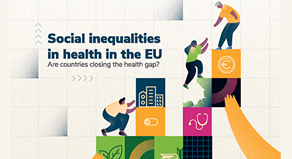
25-26 September 2025: Launch of the ‘Social inequalities in health in Europe’ report

25-26 September 2025: Launch of the ‘Social inequalities in health in Europe’ report

Source: EuroHealthNet

On Thursday 25 September and Friday 26 September, EuroHealthNet will launch its landmark report, Social Inequalities in Health in the EU. The report has been developed in collaboration with the Centre for Health Equity Analytics (CHAIN).

This trend study, based on data from the European Social Survey in 2014 and 2024, provides the most detailed picture to date of social inequalities in health across Europe over the past ten years. It shows health and mental health outcomes across groups with different levels of education and occupation, and how these outcomes have changed over the past 10 years. The report also presents examples of promising actions from across Europe and provides recommendations for EU and national policymakers.

The findings are a call to action. Rising living costs, climate change, employment insecurity, and environmental degradation are widening social inequalities in health and undermining physical and mental wellbeing. 

Addressing these determinants of health is essential for protecting Europe’s social model, ensuring health as a human right, as well as fostering healthier, more resilient, and more productive societies.

The report will be launched in two parts: a live-streamed, high-level debate in the European Parliament on 25 September from 13.00 – 15.00 CEST and a webinar on country-level data and measures on 26 September from 10.00 – 12.30 CEST.

Agenda and registration for the high-level debate in the European Parliament

Agenda and registration for the launch webinar

Posted by Didier in News
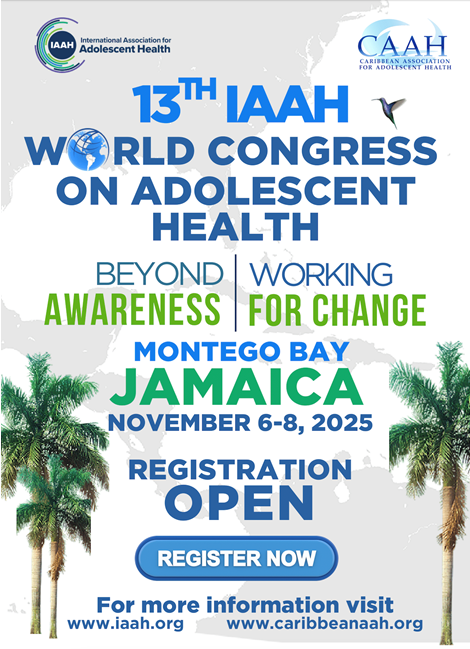
Register now for the 13th IAAH World Congress on Adolescent Health

Register now for the 13th IAAH World Congress on Adolescent Health

Register before Monday 30 June for the 13th IAAH World Congress on Adolescent Health and take advantage of the exclusive Early Bird Rate.

Join the 13th IAAH World Congress on Adolescent Health, a premier gathering of health practitioners (public health, health promotion, clinicians) researchers, policy makers, NGOs, youth health advocates and others from across the Caribbean and Latin America, the Pacific, Africa, Asia, Europe, the Americas and Oceania!

This year’s event promises to be an unforgettable experience, with thought-provoking discussions, insightful presentations, and unparalleled networking opportunities. The theme of the Congress “Beyond Awareness… Working for Change, with the subtheme “Taking Action for Adolescent Health in our Changing World”, emphasizes the urgency of moving from dialogue to tangible action at a time like this.

Don’t miss out:

  • Engage with global thought leaders and experts
  • Stay ahead of the curve with the latest trends and innovations
  • Network with like-minded professionals and forge meaningful connections
  • Showcase your work and expertise to a global audience
  • Experience the warmth and hospitality of Jamaica

UNESCO Chair’s contribution

Didier Jourdan and Nicola Gray, chairholders of the UNESCO Chair on Global Health & Education, Adesola Olumide from Nigeria and Silja Kosola from Finland will be running a workshop entitled “Surfing or Drowning? Digital media and adolescent health, well-being and education”.

For more information and registration visit the conference website.

Posted by Didier in News
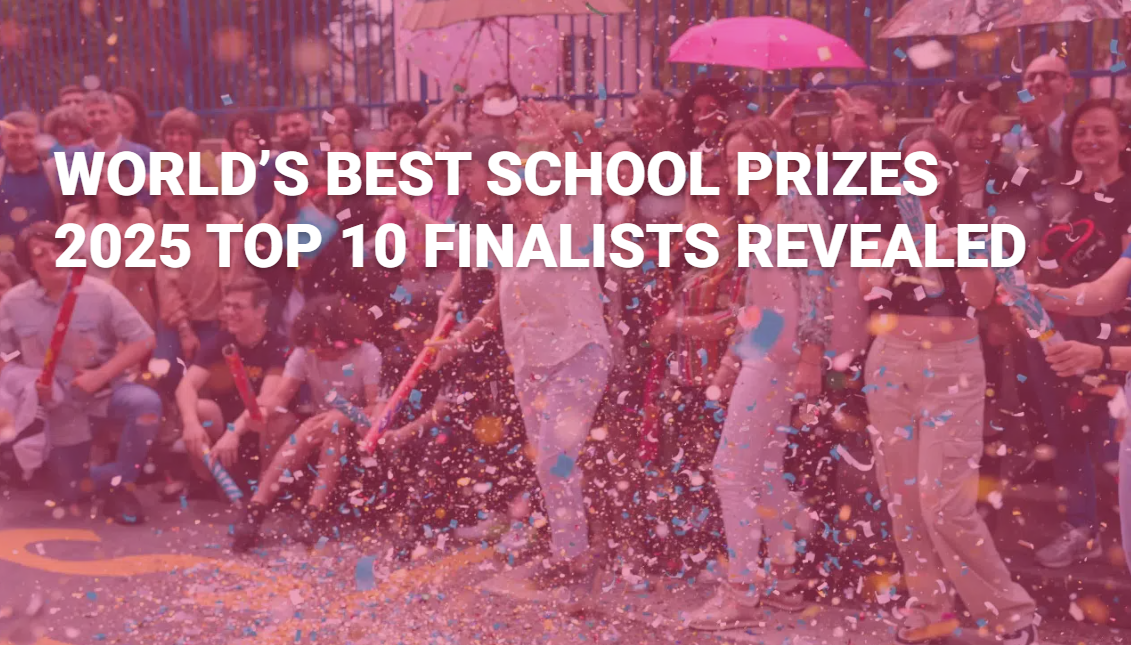
School supported by Tarang Health Alliance shortlisted for the World’s Best School Prize

School supported by Tarang Health Alliance shortlisted for the World’s Best School Prize

One of the government schools where Tarang Health Alliance is implementing their comprehensive school health education, NIT-5 School Faridabad, has been shortlisted for the World’s Best School Prize in the category of “Supporting healthy lives”. Only ten schools were selected across the globe and it is the only one from India in this category.

Tarang Health Alliance‘s mission is to implement a comprehensive school health program in schools, train teachers, develop innovative health education materials and influence policy to make health education mandatory in Indian schools.

The World’s Best School Prize is conducted by T4 Education in the UK. These most prestigious global schools prizes celebrate the schools that are changing lives in their classrooms and far beyond their walls. They share the best practices of institutions that are going above and beyond to transform learning and are having a real impact on their communities and society at large.

The winners of each of the five World’s Best School Prizes will be decided by expert Judging Academy based on rigorous criteria and revealed in December. 

All the Top 10 finalists will also enter into a Public Vote to determine the winner of the Community Choice Award. Learn about the schools’ stories and vote for your favourite.

Posted by Didier in News
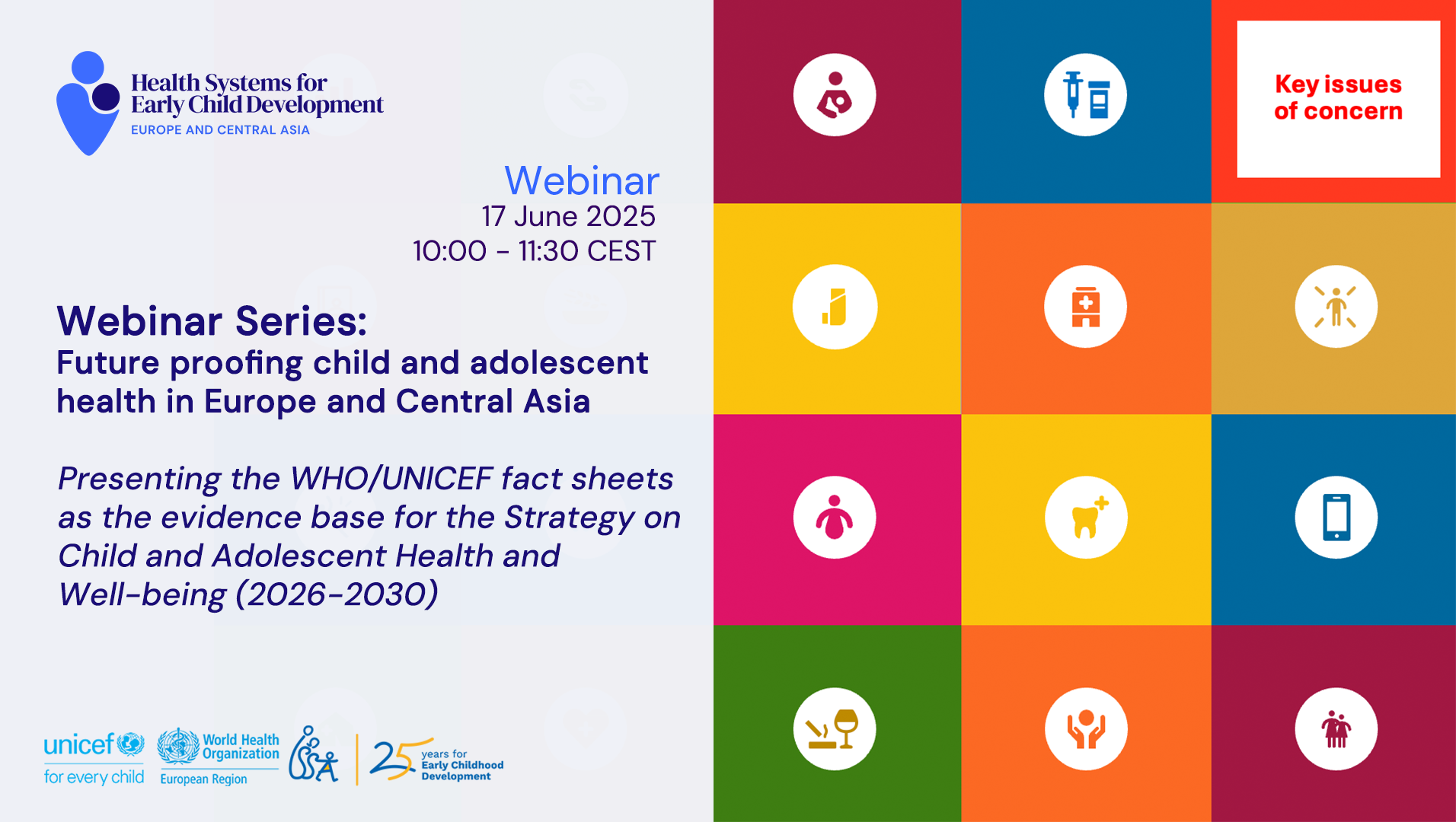
Webinar series: Future proofing child and adolescent health in Europe and Central Asia

Webinar series: Future proofing child and adolescent health in Europe and Central Asia

Join the first webinar in a new series on future-proofing child and adolescent health in Europe and Central Asia.

This three-part series supports the development of the upcoming Regional Strategy on Child and Adolescent Health and Well-being (2026–2030), led by WHO and UNICEF Europe and Central Asia, and grounded in the latest data and evidence.

Webinar 1: Key Findings from WHO/UNICEF Fact Sheets

📅 Date: 17 June 2025
🕙 Time: 10:00–11:30 CET

💻 Platform: Zoom (registration required)

Languages: The webinar will be presented in English with simultaneous interpretation in Russian. Other languages may be added based on interest and country support.

Why attend?

Across the region, young children and adolescents face increasingly complex challenges: stagnating newborn survival rates, declining immunization coverage, rising rates of overweight and obesity, and setbacks in access to essential services. These trends—worsened by the COVID-19 pandemic, climate change, and socio-economic inequalities—underscore the need for renewed, coordinated action.

This webinar will:

  • Present key findings from new WHO/UNICEF fact sheets on child and adolescent health
  • Explore implications for early childhood health systems, services, and policies
  • Open a regional dialogue to inform the forthcoming strategy

Topics will include:

Child and adolescent mortality, immunization gaps, breastfeeding, early childhood development, overweight and obesity, digital environments, adolescent mental health, providing health services to children and adolescents, sexual and reproductive health, and the impact of COVID-19 on education and services.

Guided by five core principles—early investment, duty of care, protection from commercial harm, multisectoral governance, and accountability—this webinar sets the stage for a strategic, evidence-informed response across the region.

Stay tuned for more information about the speakers and upcoming webinars in the series.

This webinar is organised by UNICEF Regional Office for Europe and Central Asia (ECARO), WHO Regional Office for Europe (WHO/Europe), and the International Step by Step Association (ISSA) under the auspices of the Health Systems for Early Childhood Development initiative.

Stay engaged! Subscribe to the mailing list: https://issa.us8.list-manage.com/subscribe?

Posted by Didier in News
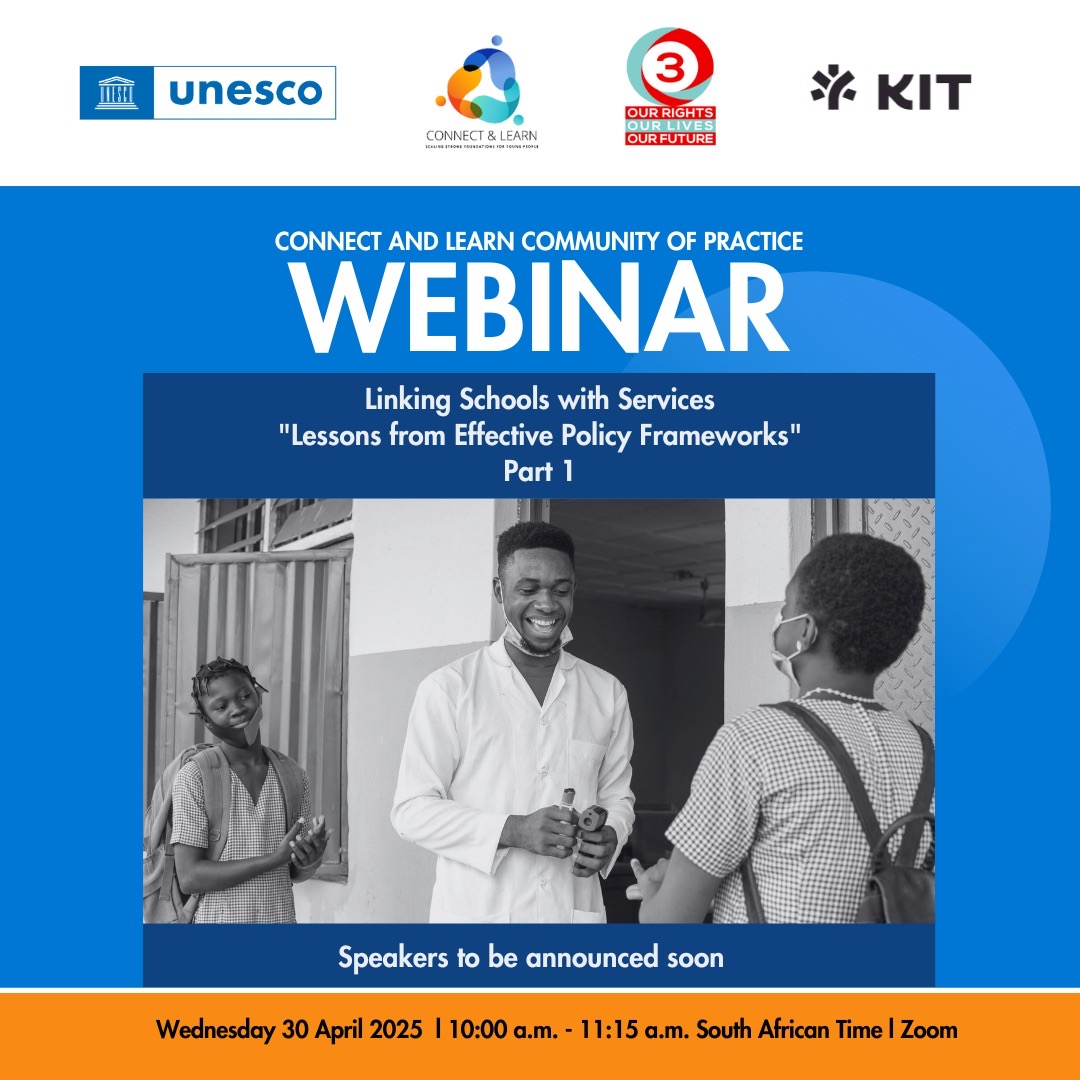
CoP Webinar on Linking Schools with Services (Part 1) – 30 April

CoP Webinar on Linking Schools with Services (Part 1) – 30 April

You are invited to the ‘Connect and Learn’ Community of Practice Webinar on Linking Schools with Services (Part 1) on Wednesday 30th April from 10:00 AM until 11:15 AM South Africa time.  

This session will:

  • Underscore the significance of linking education, health, and social protection services.
  • Discuss challenges and opportunities for referral mechanisms at the policy level.  
  • Identify key elements of effective referral policy frameworks. 
  • Share lessons learned from countries with strong referral mechanisms.

Please register in advance through this link.

After registering, you will receive a confirmation email with information about joining the webinar. 

Posted by Didier in News
Roundtable Creating a Lifelong Learning for Health Pathway in Kirklees – 24 April 2025

Roundtable Creating a Lifelong Learning for Health Pathway in Kirklees – 24 April 2025

A roundtable event will be held at the University of Huddersfield on 23-24 April 2025 to explore the contribution of stakeholders from the UNESCO Learning Cities of Kirklees, Clermont-Ferrand and Cork and the UNESCO Chair ‘Global Health & Education’ (Universities of Huddersfield and Clermont Auvergne) and partner organisations to design a ‘lifelong health learning pathway’ project in our neighbourhoods.

If you are an education or health professional, a student, or a researcher or educator – or an interested supporter – please join online to learn more about how we can build health literacy in our communities among our children and young people through the collaboration of local education and health professionals (e.g. headteachers/principals, teachers, education support staff, pharmacists, optometrists, doctors, nurses, sports coaches, youth workers, creative health professionals). We will be looking in schools, on the high street, on social media – meeting our children and youth and their families where they live, learn and relax.

Time: 15.30 – 17.00 CEST

Location: online

Register online

Posted by Didier in News
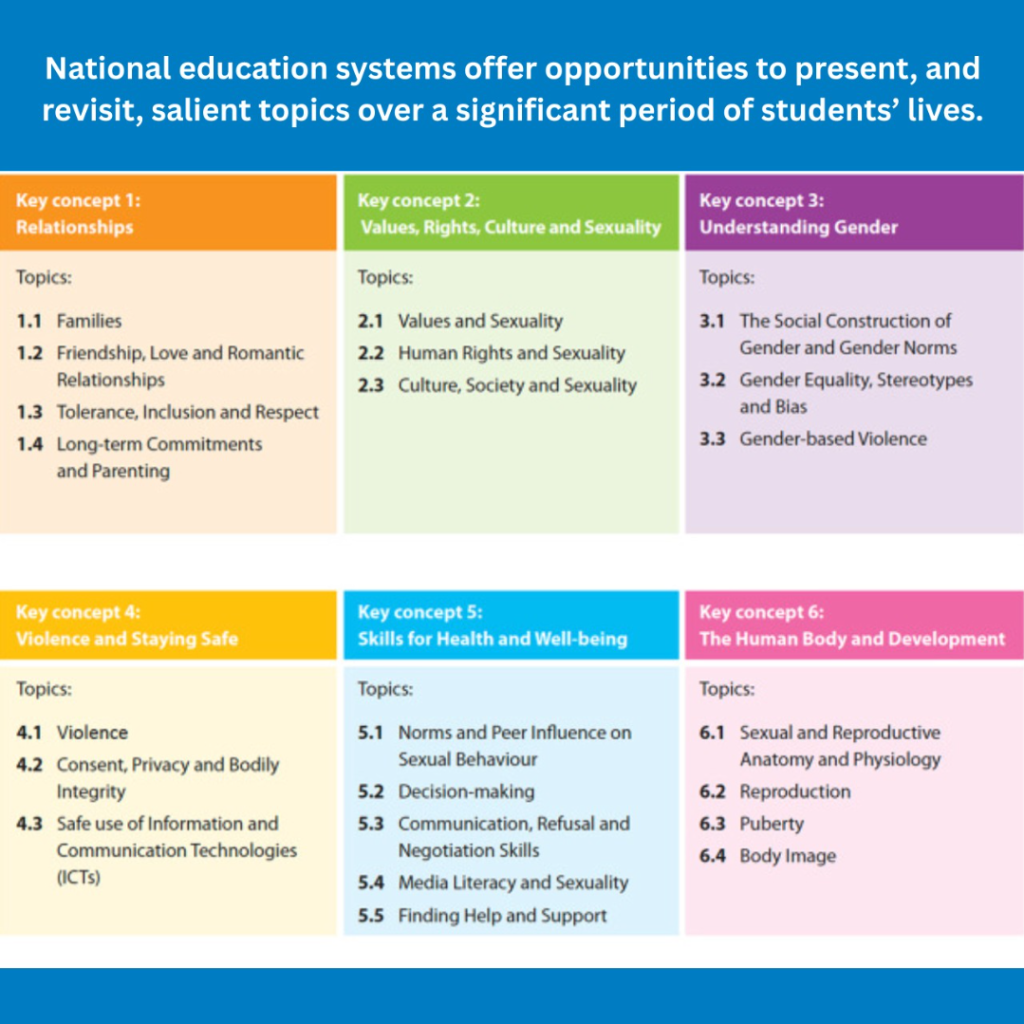
Article: Comprehensive Sexuality Education, Healthcare Professional Associations, and the Future of the World’s Youth

Article: Comprehensive Sexuality Education, Healthcare Professional Associations, and the Future of the World’s Youth

Just published in the Journal of Adolescent Health, Science Direct: “Comprehensive Sexuality Education, Healthcare Professional Associations, and the Future of the World’s Youth”[1].

Sexual and reproductive health rights are agreed in international laws. In recent years, however, diminishing reproductive health rights have been seen across the globe, including limitations in the provision of comprehensive sexuality education (CSE) for adolescents and young adults (AYAs). CSE aims to empower AYAs to realize their health and dignity, consider the impact of their health choices, and develop respectful relationships in order for them to lead their best lives. Recognizing these increasing threats to what AYAs need and want, five healthcare professional associations engaged in discussion with UN agencies and each other about advocating effectively for evidence-based CSE; this commentary summarizes five policy statements motivated by these discussions and registers publicly their collective organizations’ support for CSE in schools.

Four common themes about CSE were drown out of the five position statements that the five associations published in 2023-24. Collectively, they offer a compelling case for the ongoing promotion and scale-up of CSE within national curricula in schools. They also highlight the roles of healthcare professionals in advocacy and in practical capacity-building support for schools, families, and communities:

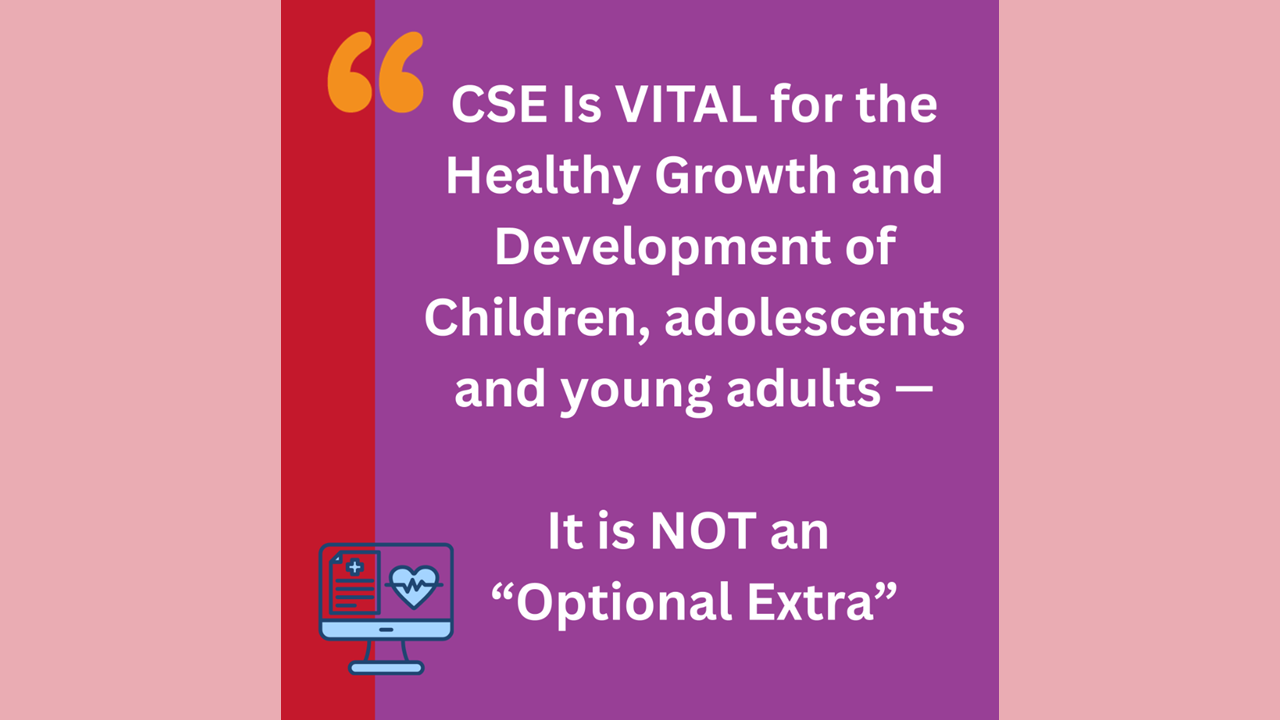
  • CSE Is Vital for the Healthy Growth and Development of Children and AYAs—It is Not an “Optional Extra”
  • CSE Development Needs the Involvement of Children and AYAs
  • CSE Is an Intersectoral Endeavor
  • Members of Healthcare Professional Associations Have Untapped Agency in Advocacy for Evidence-Based CSE

The five healthcare professional association:

  • International Federation of Paediatric and Adolescent Gynaecology (FIGIJ)
  • International Federation of Gynecology and Obstetrics (FIGO) 
  • International Association for Adolescent Health (IAAH)
  • International Pediatric Association (IPA) 
  • World Association for Sexual Health (WAS)

Read the full article

Read support statements


[1] Nicola J. Gray, C.P. Bansal, Esther Corona, Yasmin Jayasinghe, Melissa Kang, Marisa Labovsky, Aparna Sridhar, Linda Sussman, Jonathan D. Klein. Comprehensive Sexuality Education, Healthcare Professional Associations, and the Future of the World’s Youth. Journal of Adolescent Health, 2025. ISSN 1054-139X. https://doi.org/10.1016/j.jadohealth.2025.02.002.

Posted by Didier in News
5th edition Global Community Health Annual Workshop – Register now

5th edition Global Community Health Annual Workshop – Register now

On 10, 11 and 12 June 2025 the 5th edition of the Global Community Health Annual Workshop will take place as an online event. This year’s workshop theme is ‘Building healthy, fair and climate-smart communities: addressing commercial determinants of health’.

During the workshop the focus will be on the impact of the commercial determinants of health on community health and how public health actions can respond to them. Different initiatives with a special focus on participatory methods will be explored looking at conflict of interests and possible co-benefits of private sector action for better health on the community level. This will also be the capacity building focus for the participants.

The Global Community Health Annual Workshop provides a space where community health and health promotion practitioners and policy makers can improve their skills and where researchers can gain in capacities to conduct community-based participatory research.

Format of the workshop

The global workshop will run during 3 days, 3,5 contact hours per day. To accommodate participants from all different time zones around the world, the workshop will be offered twice a day.

  • Block 1 will run from 10.00 – 13.30 Paris; 16.00 – 19.30 Beijing; 18.00 – 21.30 Melbourne.
  • Block 2 will run from 16.00 – 19.30 Paris; 7.00 – 10.30 Los Angeles; 11.00 – 14.30 Buenos Aires

It uses an interactive format ensuring active participation through a series of online lectures, combined with community heath hubs.

Community health hubs

These community health hubs (smaller working groups) acknowledge our diversity and cultural dimensions and are offered in different languages including English, French, Spanish and other languages depending on the availability of facilitators. During the community health hubs participants have the opportunity to share experiences, build their regional and global networks and work on their individual assignments.

We encourage participants to gather locally and organise their own local community health hubs. They can follow the central lectures online together and then continue their discussions live in the local community health hubs.

Assignment

Participants will be asked to submit an individual assignment, which can be a reflexion on their main learnings of the CHW or a description of a community health initiative they are involved in or know of. Each assignment will be assessed and published on the Chair website, for future reference. After approval of the assignment participants will receive a certificate of attendance.

Language

The online lectures are held in the English and French language. This year we will provide translation into 50+ languages, including English, French, Spanish, Persian, Arabic and Chinese. We will use a translation app based on AI during the plenary sessions.

Registration

This interactive workshop will take place online and is free of charge. Practitioners, students, policy makers and researcher from different backgrounds from all over the world are welcome to join. You can register by completing the online registration form. Registration will close on Tuesday 3 June 2025, 16.00 CEST.

Organisers

Organisers are the UNESCO Chair Global Health & EducationEHESP School of Public HealthInternational Union for Health Promotion and Education (IUHPE)Réseau Francophone International Pour la Promotion de la Sante (RÉFIPS)European Public Health Association (EUPHA)University of Clermont Auvergne and Huddersfield University.

For more information about the workshop, please visit the dedicated webpage.

Posted by Didier in News
Save the date! Global Community Health Annual Workshop 10-12 June 2025

Save the date! Global Community Health Annual Workshop 10-12 June 2025

On 10, 11 and 12 June 2025 the 5th edition of the Global Community Health Annual Workshop will take place. This year’s workshop theme is ‘Building healthy, fair and climate-smart communities: addressing commercial determinants of health’.

During the workshop the focus will be on the impact of the commercial determinants of health on community health and how public health actions can respond to them. Different initiatives with a special focus on participatory methods will be explored looking at conflict of interests and possible co-benefits of private sector action for better health on the community level. This will also be the capacity building focus for the participants.

The Global Community Health Annual Workshop provides a space where community health and health promotion practitioners and policy makers can improve their skills and where researchers can gain in capacities to conduct community-based participatory research.

Organisers are the UNESCO Chair Global Health & EducationEHESP School of Public HealthInternational Union for Health Promotion and Education (IUHPE)Réseau Francophone International Pour la Promotion de la Sante (RÉFIPS)European Public Health Association (EUPHA)University of Clermont Auvergne and Huddersfield University.

Registration will start soon!

Posted by Didier in News