Month: April 2025

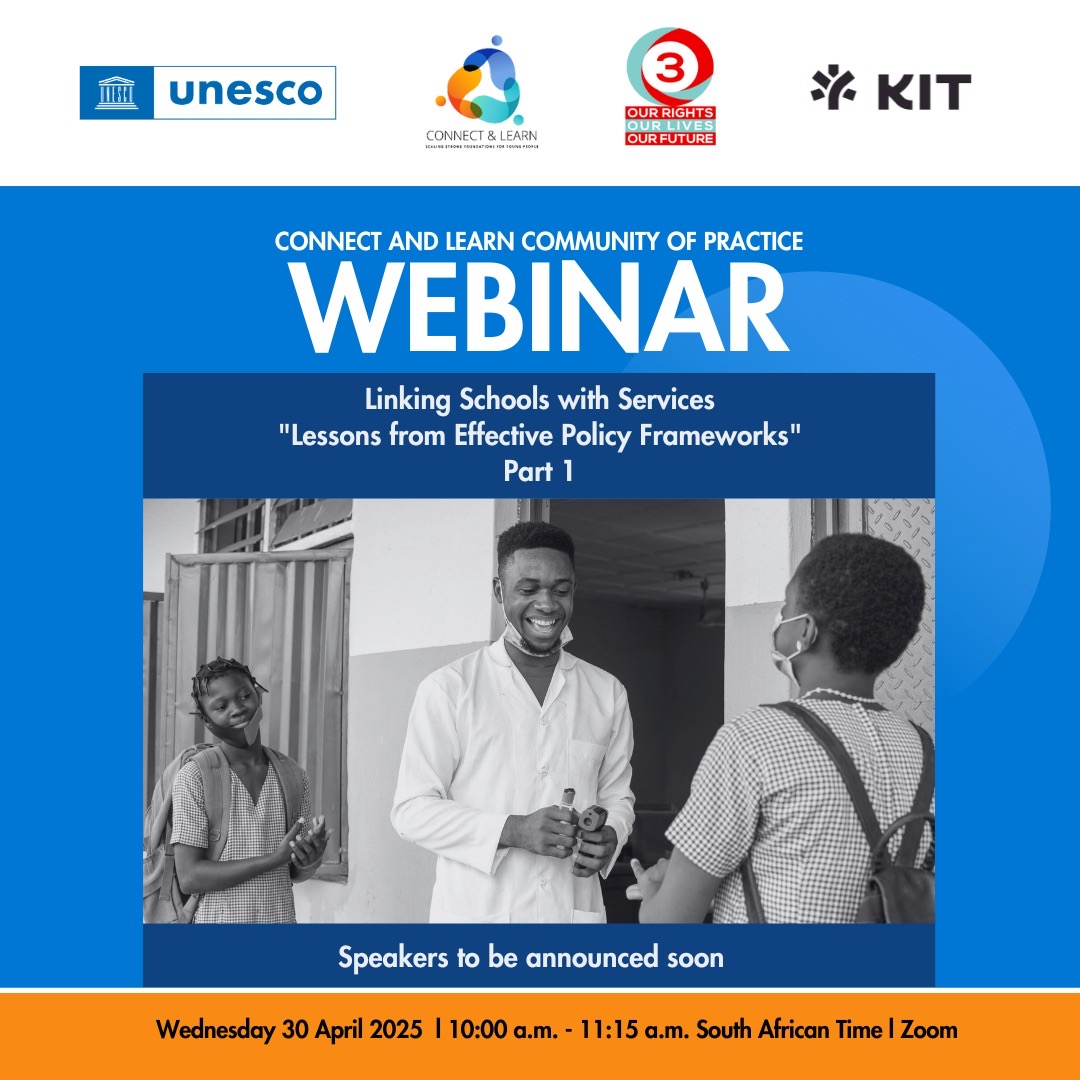
CoP Webinar on Linking Schools with Services (Part 1) – 30 April

CoP Webinar on Linking Schools with Services (Part 1) – 30 April

You are invited to the ‘Connect and Learn’ Community of Practice Webinar on Linking Schools with Services (Part 1) on Wednesday 30th April from 10:00 AM until 11:15 AM South Africa time.  

This session will:

  • Underscore the significance of linking education, health, and social protection services.
  • Discuss challenges and opportunities for referral mechanisms at the policy level.  
  • Identify key elements of effective referral policy frameworks. 
  • Share lessons learned from countries with strong referral mechanisms.

Please register in advance through this link.

After registering, you will receive a confirmation email with information about joining the webinar. 

Posted by Didier in News
Protect European Health: Sign the petition to save EU4Health civil society grants

Protect European Health: Sign the petition to save EU4Health civil society grants

Civil society is the backbone of public health in Europe. But without urgent action, key health organisations face a funding crisis.

EUPHA and partners are calling on the European Commission to adopt the 2025 EU4Health Work Plan – ensuring full-year operational funding for civil society organisations (CSOs) under the Framework Partnership Agreement.

Without it, we risk losing decades of progress in public health, science, and equity across Europe.

Sign the petition

Join those who have already spoken out. Sign now and help protect the future of health advocacy in Europe.

Sign the petition here

Why your voice matters

Health CSOs provide vital expertise, watchdog functions, and community engagement that governments alone cannot deliver.
Delays or cuts to EU4Health funding put:

  • Public health professionals and their work at risk
  • Science and knowledge exchange in jeopardy
  • Health equity and community outreach in danger

Your signature shows EU leaders that public health matters.

How you can support

Sign and share the petition
Share it with your network, colleagues, and partners.

Use the hashtag #StandUpForPublicHealth
Raise awareness and show your support on social media platforms.

Add your voice to our campaign
Use the graphics and slides from the EUPHA website to spread the word in meetings, emails, and events.

Posted by Didier in News
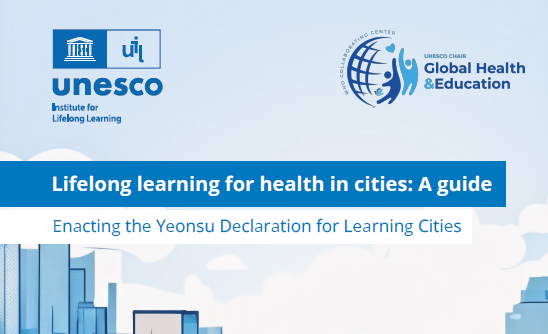
Roundtable Creating a Lifelong Learning for Health Pathway in Kirklees – 24 April 2025

Roundtable Creating a Lifelong Learning for Health Pathway in Kirklees – 24 April 2025

A roundtable event will be held at the University of Huddersfield on 23-24 April 2025 to explore the contribution of stakeholders from the UNESCO Learning Cities of Kirklees, Clermont-Ferrand and Cork and the UNESCO Chair ‘Global Health & Education’ (Universities of Huddersfield and Clermont Auvergne) and partner organisations to design a ‘lifelong health learning pathway’ project in our neighbourhoods.

If you are an education or health professional, a student, or a researcher or educator – or an interested supporter – please join online to learn more about how we can build health literacy in our communities among our children and young people through the collaboration of local education and health professionals (e.g. headteachers/principals, teachers, education support staff, pharmacists, optometrists, doctors, nurses, sports coaches, youth workers, creative health professionals). We will be looking in schools, on the high street, on social media – meeting our children and youth and their families where they live, learn and relax.

Time: 15.30 – 17.00 CEST

Location: online

Register online

Posted by Didier in News
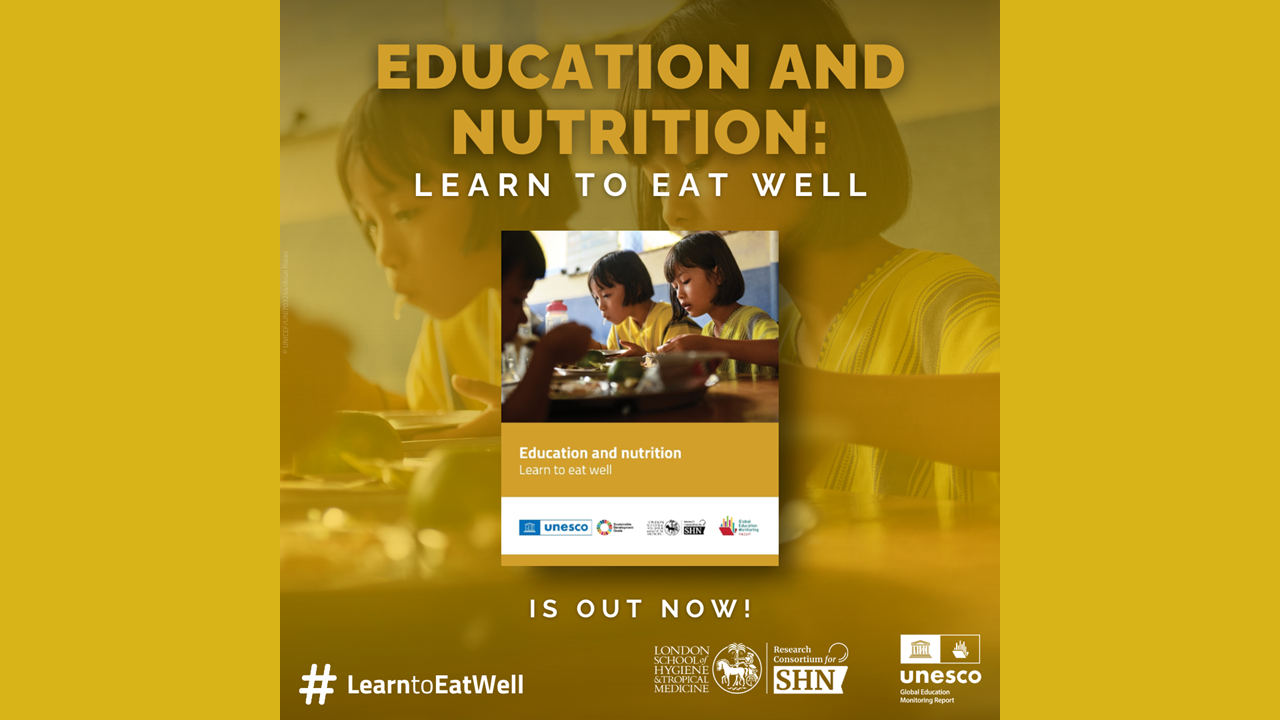
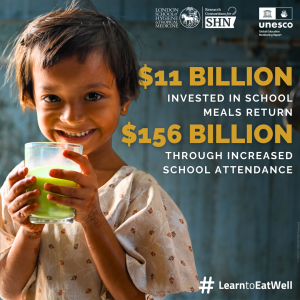
UNESCO School Meals Coalition: Education and Nutrition: Learn to Eat Well

UNESCO School Meals Coalition: Education and Nutrition: Learn to Eat Well

Global food insecurity is a growing risk that has been compounded by climate change, conflict and economic instability. Meanwhile, obesity rates have surged due to food production practices, the marketing of unhealthy dietary patterns, and sedentary lifestyles. 

This report explores the intersection of education and nutrition in the context of Sustainable Development Goals. It advocates for a systemic, life-cycle approach to strengthen both sectors and highlights how investments in education contribute to improved nutrition and vice versa. It underscores the need for robust monitoring of school meal programmes. The report also warns of growing global food insecurity, rising obesity rates, and calls for coordinated efforts across sectors to create healthier, more sustainable food and education systems.

Download the report here: Education and nutrition | Global Education Monitoring Report (2025)

The School Meals Coalition is a prominent and innovative vehicle for multilateral action and addresses multiple Sustainable Development Goal (SDG) outcomes. The School Meals Coalition drives actions to urgently improve and scale up school meal programmes to ensure that every child can receive a healthy, nutritious meal in school by 2030.

#Scaling Up Healthy School Meals for Every Child by 2030

Posted by Didier in News
Article: Comprehensive Sexuality Education, Healthcare Professional Associations, and the Future of the World’s Youth

Article: Comprehensive Sexuality Education, Healthcare Professional Associations, and the Future of the World’s Youth

Just published in the Journal of Adolescent Health, Science Direct: “Comprehensive Sexuality Education, Healthcare Professional Associations, and the Future of the World’s Youth”[1].

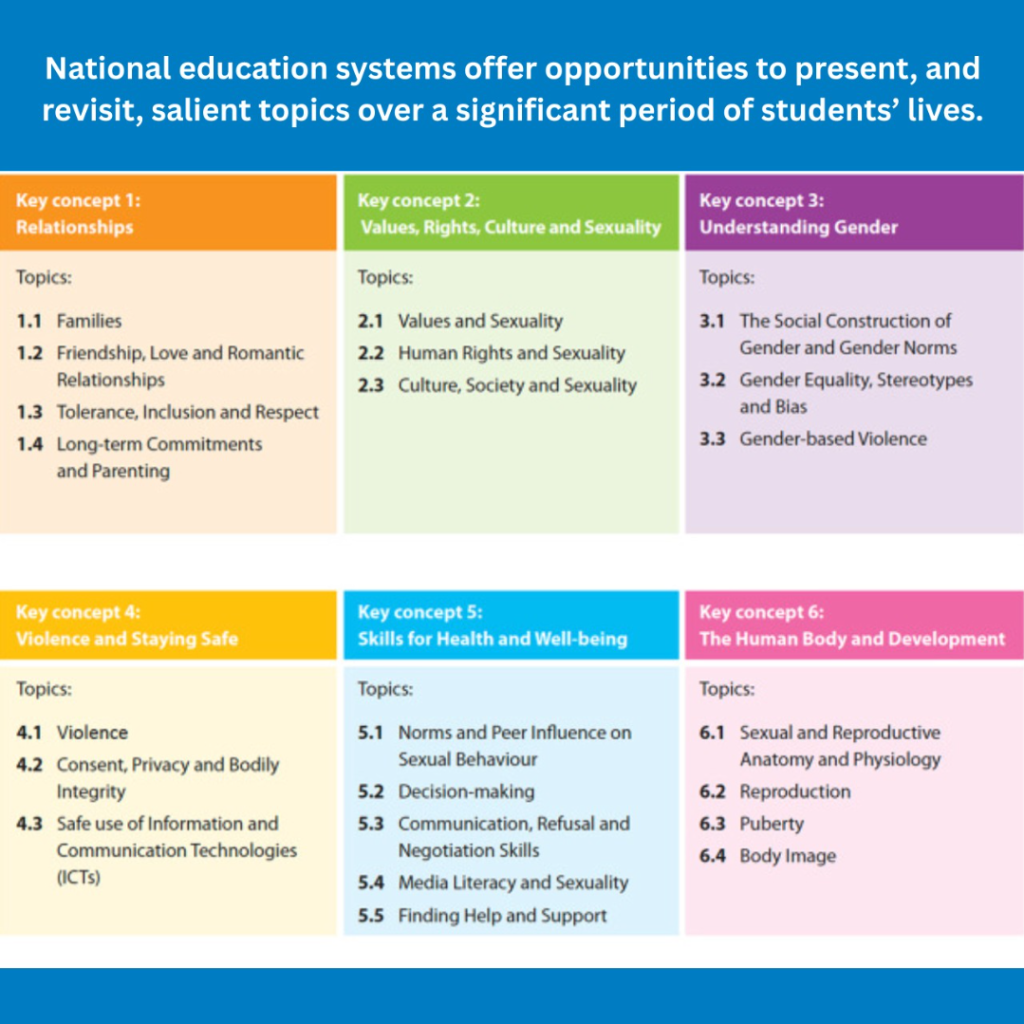
Sexual and reproductive health rights are agreed in international laws. In recent years, however, diminishing reproductive health rights have been seen across the globe, including limitations in the provision of comprehensive sexuality education (CSE) for adolescents and young adults (AYAs). CSE aims to empower AYAs to realize their health and dignity, consider the impact of their health choices, and develop respectful relationships in order for them to lead their best lives. Recognizing these increasing threats to what AYAs need and want, five healthcare professional associations engaged in discussion with UN agencies and each other about advocating effectively for evidence-based CSE; this commentary summarizes five policy statements motivated by these discussions and registers publicly their collective organizations’ support for CSE in schools.

Four common themes about CSE were drown out of the five position statements that the five associations published in 2023-24. Collectively, they offer a compelling case for the ongoing promotion and scale-up of CSE within national curricula in schools. They also highlight the roles of healthcare professionals in advocacy and in practical capacity-building support for schools, families, and communities:

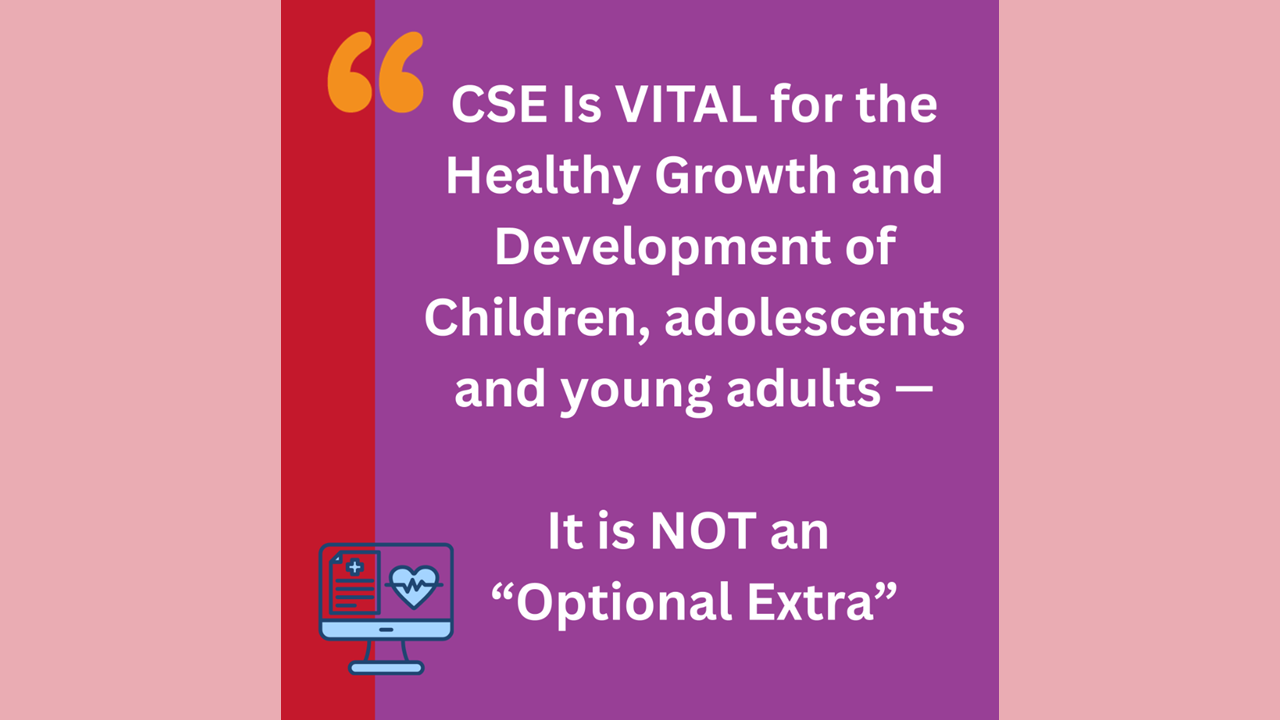
  • CSE Is Vital for the Healthy Growth and Development of Children and AYAs—It is Not an “Optional Extra”
  • CSE Development Needs the Involvement of Children and AYAs
  • CSE Is an Intersectoral Endeavor
  • Members of Healthcare Professional Associations Have Untapped Agency in Advocacy for Evidence-Based CSE

The five healthcare professional association:

  • International Federation of Paediatric and Adolescent Gynaecology (FIGIJ)
  • International Federation of Gynecology and Obstetrics (FIGO) 
  • International Association for Adolescent Health (IAAH)
  • International Pediatric Association (IPA) 
  • World Association for Sexual Health (WAS)

Read the full article

Read support statements


[1] Nicola J. Gray, C.P. Bansal, Esther Corona, Yasmin Jayasinghe, Melissa Kang, Marisa Labovsky, Aparna Sridhar, Linda Sussman, Jonathan D. Klein. Comprehensive Sexuality Education, Healthcare Professional Associations, and the Future of the World’s Youth. Journal of Adolescent Health, 2025. ISSN 1054-139X. https://doi.org/10.1016/j.jadohealth.2025.02.002.

Posted by Didier in News
Webinar School is more than a place to learn – 22 June 2025

Webinar School is more than a place to learn – 22 June 2025

School is more than a place to learn: An intersectoral assessment of adolescent well-being prior to and after the COVID-19 pandemic in the WHO European Region

13:00 – 14:00 GMT, Wednesday 22th June 2025

Chaired by: Professor Ingrid Wolfe OBE, Professor of Paediatrics and Child Population Health, Consultant Paediatric Population Medicine, Kings College, London

Speakers: 

  • Dr. Nicola Gray, Co-Chair, UNESCO Chair ‘Global Health & Education’
  • Mary Cronin, Specialty Registrar in Public Health
  • Dr. Maximilian Limburg, Specialty Registrar in Public Health

A webinar supporting the development of a new WHO/UNICEF regional strategy for Child and Adolescent Health in Europe and Central Asia, as part of our Public Health in Practice Special Issue

This webinar will present a research study that examined changes in adolescent well-being across the WHO European Region following the Covid-19 pandemic. Adolescent well-being was assessed using the UN H6+ framework, which includes: 1) Good health and optimal nutrition, 2) Connectedness, positive values, and societal contribution, 3) Safety and a supportive environment, 4) Learning, competence, education, skills, and employability, and 5) Agency and resilience. Secondary analysis of data from two large datasets concerning adolescents, the Health Behaviour in School-aged Children (HBSC) Survey and the Programme for International Student Assessment (PISA), revealed a decline in well-being across European countries from 2018 (pre-pandemic) to 2022 (post-pandemic). Additionally, the study highlighted a significant widening of educational inequalities in the aftermath of the pandemic.

Key Issues for Debate:

  1. How can we prevent existing inequalities in educational attainment from widening?
  2. How can we improve our data collection strategies about school closure impact for future health crises?
  3. What would an intersectoral strategy on adolescent well-being look like, to minimize the impact of future emergency measures?

More information and registration

Posted by Didier in News
5th edition Global Community Health Annual Workshop – Register now

5th edition Global Community Health Annual Workshop – Register now

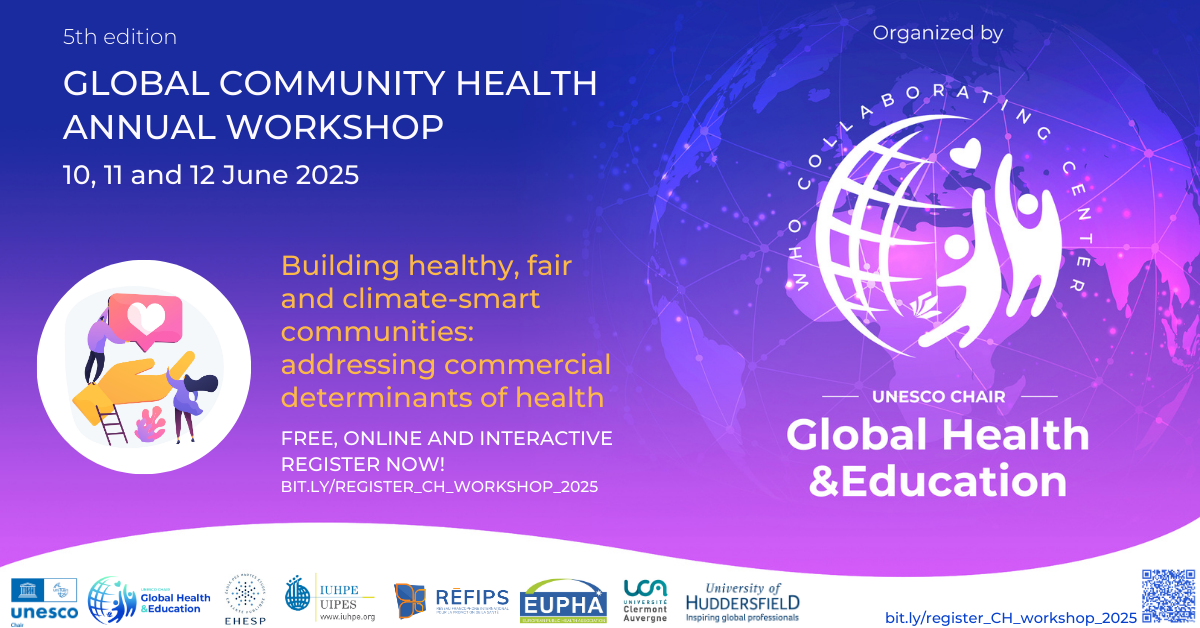
On 10, 11 and 12 June 2025 the 5th edition of the Global Community Health Annual Workshop will take place as an online event. This year’s workshop theme is ‘Building healthy, fair and climate-smart communities: addressing commercial determinants of health’.

During the workshop the focus will be on the impact of the commercial determinants of health on community health and how public health actions can respond to them. Different initiatives with a special focus on participatory methods will be explored looking at conflict of interests and possible co-benefits of private sector action for better health on the community level. This will also be the capacity building focus for the participants.

The Global Community Health Annual Workshop provides a space where community health and health promotion practitioners and policy makers can improve their skills and where researchers can gain in capacities to conduct community-based participatory research.

Format of the workshop

The global workshop will run during 3 days, 3,5 contact hours per day. To accommodate participants from all different time zones around the world, the workshop will be offered twice a day.

  • Block 1 will run from 10.00 – 13.30 Paris; 16.00 – 19.30 Beijing; 18.00 – 21.30 Melbourne.
  • Block 2 will run from 16.00 – 19.30 Paris; 7.00 – 10.30 Los Angeles; 11.00 – 14.30 Buenos Aires

It uses an interactive format ensuring active participation through a series of online lectures, combined with community heath hubs.

Community health hubs

These community health hubs (smaller working groups) acknowledge our diversity and cultural dimensions and are offered in different languages including English, French, Spanish and other languages depending on the availability of facilitators. During the community health hubs participants have the opportunity to share experiences, build their regional and global networks and work on their individual assignments.

We encourage participants to gather locally and organise their own local community health hubs. They can follow the central lectures online together and then continue their discussions live in the local community health hubs.

Assignment

Participants will be asked to submit an individual assignment, which can be a reflexion on their main learnings of the CHW or a description of a community health initiative they are involved in or know of. Each assignment will be assessed and published on the Chair website, for future reference. After approval of the assignment participants will receive a certificate of attendance.

Language

The online lectures are held in the English and French language. This year we will provide translation into 50+ languages, including English, French, Spanish, Persian, Arabic and Chinese. We will use a translation app based on AI during the plenary sessions.

Registration

This interactive workshop will take place online and is free of charge. Practitioners, students, policy makers and researcher from different backgrounds from all over the world are welcome to join. You can register by completing the online registration form. Registration will close on Tuesday 3 June 2025, 16.00 CEST.

Organisers

Organisers are the UNESCO Chair Global Health & EducationEHESP School of Public HealthInternational Union for Health Promotion and Education (IUHPE)Réseau Francophone International Pour la Promotion de la Sante (RÉFIPS)European Public Health Association (EUPHA)University of Clermont Auvergne and Huddersfield University.

For more information about the workshop, please visit the dedicated webpage.

Posted by Didier in News
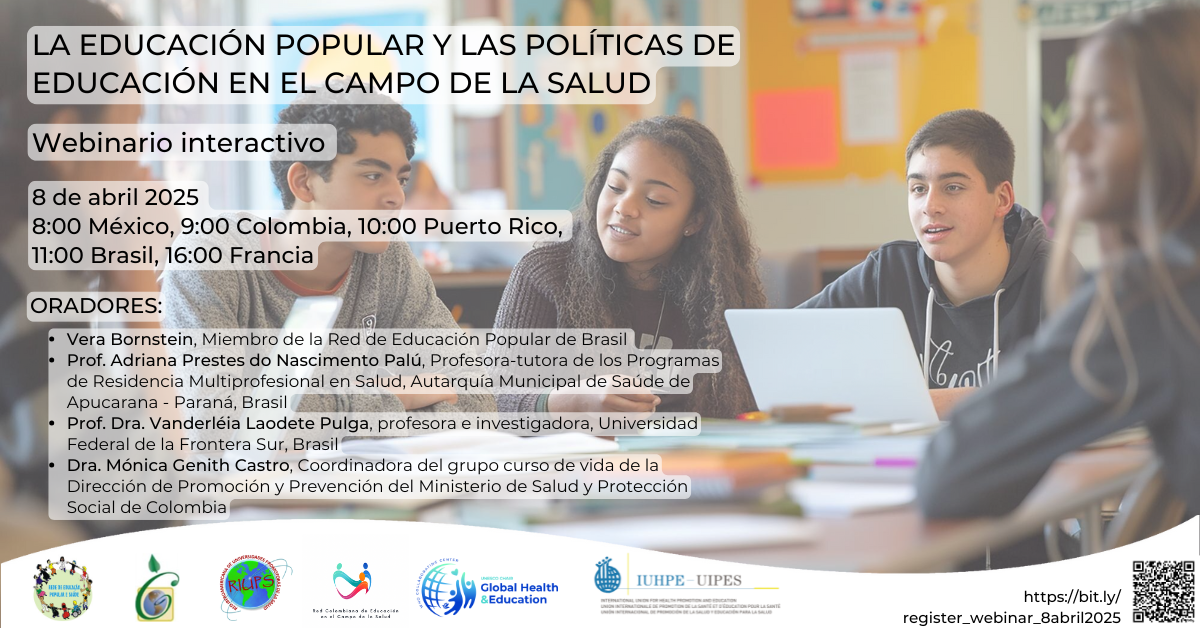
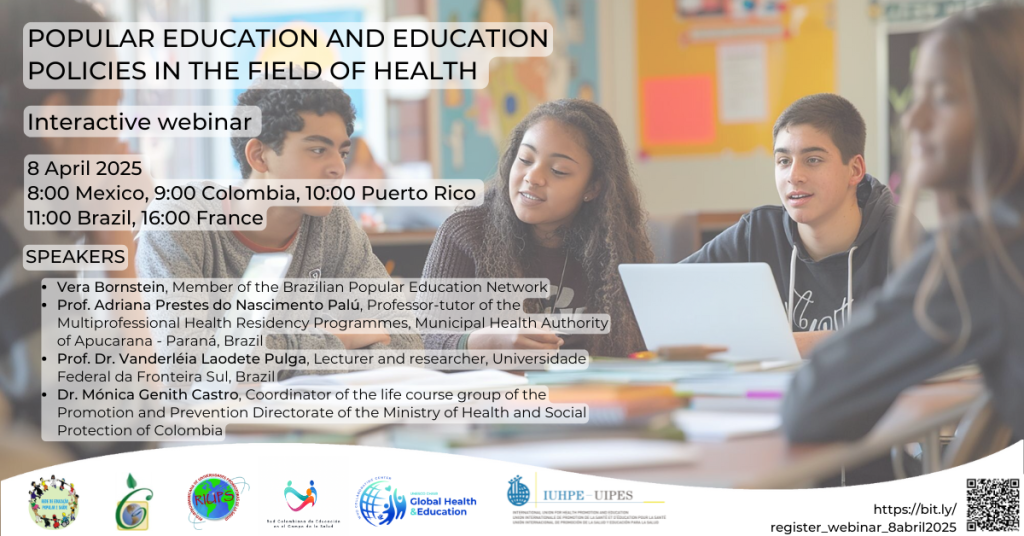
8 April 2025 – Popular Education and Education Policies in the Field of Health

8 April 2025 – Popular Education and Education Policies in the Field of Health

Time: 8.00 – 9.30 Mexico, 9.00 – 10.30 Colombia, 10.00 – 11.30 Puerto Rico, 11.00 – 12.30 Brazil, 16.00 – 17.30 France

Language: The webinar will be held in Spanish and Portuguese. Translation will be available in 50+ languages, including English, French, Portuguese and Spanish. We will use a translation app based on AI.

RegistrationRegister here. Registration is free. The link to the webinar will be sent to you after registration.

Información en español, Informações em português

Speakers

Moderator

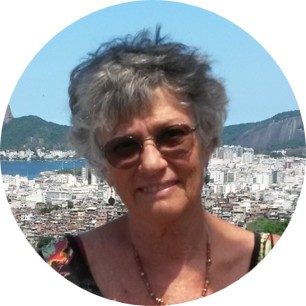
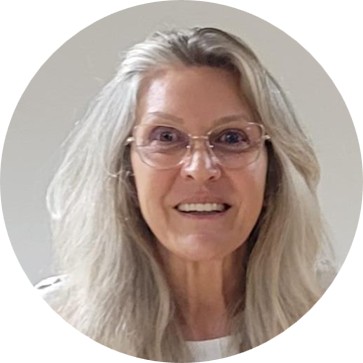
Vera Bornstein, Member of the Brazilian Popular Education Network

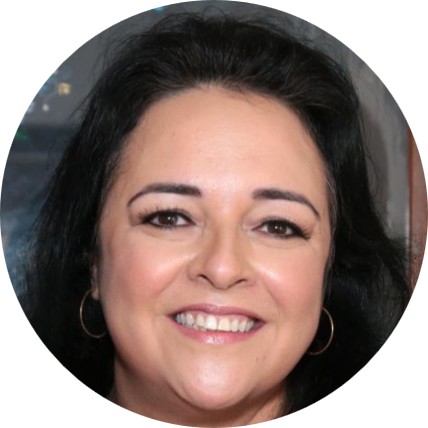
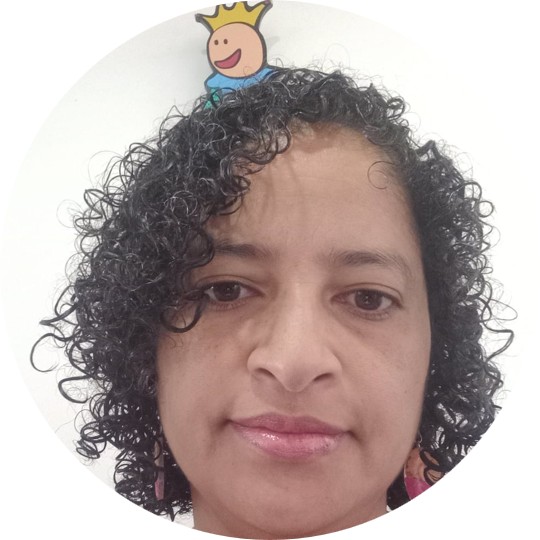
Prof. Adriana Prestes do Nascimento Palú has a degree in Dentistry and a Master’s degree in Collective Health. She is currently an official of the Municipal Health Authority of Apucarana – Paraná, where she is director of the Department of Health Education and Research and coordinator of the Multiprofessional Residency Commission. She is the state coordinator of the Training Programme for Popular Health Agents (AgPopSUS) and of the Improvement Course in Popular Health Education (EdPopSUS), and is a member of the National Articulation of Movements and Practices of Popular Education and Health – ANEPS, of the Popular Education Network and of the National Movement of Health Residencies.

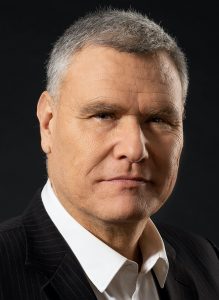
Prof. Dr. Vanderléia Pulga, Bachelor in Philosophy, Master and Doctor in Education, winner of 1st place in the Research and Systematisation category in the 2nd edition of the Victor Valla Award, Professor of Collective Health at UFFS/Campus Passo Fundo/RS in the undergraduate course of Medicine. Vice-coordinator of the Multiprofessional Health Residency Programme. Member of the Innovation in Collective Health Research Group. Researcher and guest lecturer of the International Network of Education and Research in Education and Work in Health Systems and Services (RED SALUD UNICA) and of the Master’s and Doctorate Programme in Public Health of the Catholic University Redemptoris Mater (UNICA) and of PAHO. Member of the Popular Education and Health WG of ABRASCO. Member of the Brazilian Association of Rede Unida. Member of the National Articulation of Movements and Practices of Popular Education and Health.

Dr. Monica Genith Castro Hernandez, Surgeon and Master in Public Health from the National University of Colombia, Coordinator of the life course group of the Promotion and Prevention Directorate of the Ministry of Health and Social Protection of Colombia.


Summary

The webinar aims to analyse how popular education or part of its pedagogical and political principles have been introduced/assumed in health education policies in different countries of the region. There will be a theoretical introduction on the foundations and principles of popular education and afterwards, two speakers will talk about educational policies and experiences in Colombia and Brazil. The questions we will address during the webinar are:

  • How have Latin American countries adopted the perspective of popular education, its pedagogical and political principles, in educational policies in the field of health?
  • What training initiatives on popular health education are implemented with community members and health professionals in Latin American countries?

Latin American Network for the Revitalisation of Health Education

This webinar is a part of the “Latin American Network for the Revitalisation of Health Education”. This initiative is being promoted with the participation of the UNESCO Chair on Global Health and Education, the Inter-American Consortium of Universities and Training Centers for Health Education and Health Promotion (CIUEPS), the Brazilian Network of Popular Health Education, the Colombian Network of Health Education and the Regional Office for Latin America of the International Union of Health Promotion and Education (IUHPE/ORLA), with the following objectives:

  • Promote health education at national and international levels, as a fundamental dimension of the health disciplines, the educational sciences and the social and human sciences.
  • To recuperate the Latin American production and position it in the regional level, which implies promoting its critical and decolonial approaches. A health education that advocates for social transformation towards a more just and equitable society that guarantees well-being and a life with dignity.
  • Promote the articulation of the education and health sectors to strengthen the actions of each of these sectors to promote health education, by recognizing education and health as two inalienable, synergistic and interdependent human rights.
  • Strengthen the theoretical, political and ethical foundations of health education as a requirement for a responsible, productive and ethical pedagogical practice.
  • To generate a setting for the articulation of academia and civil society that allows Latin American integration in order to share experiences, knowledge and aspirations framed in a collective purpose.
  • To promote national and international integration with respect to health education as a means for mutual learning and solidarity, and to facilitate cooperative actions in the development of academic-scientific events, research and training processes.

The webinars, open to all interested stakeholders, are a component of the program. They are experiential sessions, lasting 60-90 minutes, with guest speakers who present their reflections on two or three problematic questions to encourage audience participation. Five webinars have been scheduled for this first stage of the program, with an interval of 2 months between each one.

Watch the recordings of previous webinars:


Posted by Didier in News