school

“Prioritizing the health and safety of students and educators through closer intersectoral collaboration” – Extraordinary Session of the UNESCO Global Education Meeting on Education post-COVID-19

“Prioritizing the health and safety of students and educators through closer intersectoral collaboration” – Extraordinary Session of the UNESCO Global Education Meeting on Education post-COVID-19

On 22 October, over 70 Member States adopted a Declaration in an online extraordinary session of the UNESCO 2020 Global Education Meeting expressing their commitment to protect national education financing and to implement measures to mitigate the devastating impact of the pandemic on students, families and school staff. As part of the technical discussion underpinning the adoption of the global Declaration, the UNESCO Chair in Global Health and Education was asked to participate in Breakout Session Theme 2 on re-opening schools safely.

In recent months, Professor Didier Jourdan, Dr Nicola Gray and Chair community members have written evidence- and practice-informed perspectives about safe school re-opening with partners including Sir Michael Marmot (UCL Institute of Health Equity), Mr Sean Slade (ASCD), and Dr Janet McDonagh (University of Manchester). The Chair also conducted a survey of professionals to explore their experience of providing education during the pandemic and of implementing school re-opening guidance issued by national or regional authorities.

Dr Gray, on behalf of the Chair, described the compelling evidence base supporting the ‘triple dividend’ of inclusive, equitable and sustainable secondary education – health for adolescents now, as future adults, and for their children – as the best investment that any government can make in its youth. We reported survey findings regarding the need for close collaboration between school teams, local authorities and families. We supported empowering adults in schools – to secure their rights to a safe workplace and, in turn, their responsibility to protect the setting from outside infection.

Dr Gray was specifically asked to respond to questions about supporting mental health as schools re-open, and optimising the return for children and youth with disabilities. Both issues demand effective inter-sectoral working between education and health, a view strongly shared by the contributors from Member States, reported back to the main session, and confirmed as a priority action in the Declaration (point 8).

Posted by Didier in News
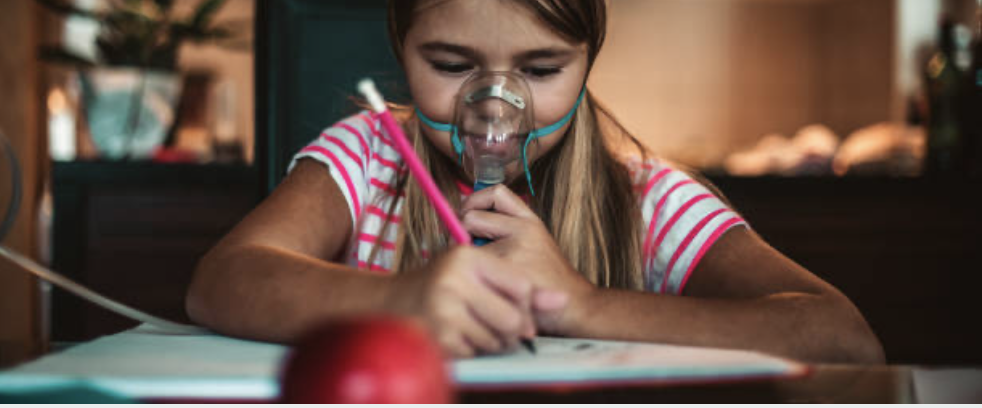
Returning to School: children and young people living with chronic illness

Returning to School: children and young people living with chronic illness

In the article “Returning to School: children and young people living with chronic illness” published on September 28, 2020 in the Journal of Children’s Services, Didier Jourdan, Nicola Gray and Janet E. McDonagh propose a framework to support the successful return to school of children and young people with chronic illnesses using appropriate intersectoral strategies.

The article is based on both research regarding the impact of school closure on children and young people with chronic illness, as well as global research findings about their lives during the pandemic and on the advice from practitioners who work in the field with these young people and their families.

It thus exposes the importance of a strategic approach to the return to school for these students who are vulnerable and recalls the need to take action against growing inequalities.

Read the article here

Posted by Didier in News
High-level virtual meeting on schooling during the COVID-19 pandemic

High-level virtual meeting on schooling during the COVID-19 pandemic

The challenge of supporting effective schooling during the pandemic

On Monday 31 August, WHO/Europe organised an online high-level meeting with ministers of health from across the WHO European Region to exchange experiences, views and reflections on providing safe and effective schooling during the COVID-19 pandemic.

Supporting effective schooling during the pandemic is essential for the health and well-being of children. Nevertheless, this is a real strategic challenge for education and health authorities, as countries seek to ensure a safe, friendly and educationally effective environment while controlling the transmission of the virus.

Initiated by a proposal of Dr. Roberto Speranza, Minister of Health of Italy, the meeting provided an opportunity for several Member States to present their experiences. Experts from the United Nations Children’s Fund (UNICEF), the United Nations Educational, Scientific and Cultural Organization (UNESCO), WHO headquarters and WHO collaborating centres provided insights and facilitated the discussion.


The contribution of Prof. Jourdan and the UNESCO Chair

Prof. Jourdan took part to the expert’s round table and presented the WHO Collaborating Centre and UNESCO Chair Global Health & Education perspective on this issue. In the context of the COVID-19 crisis, the Chair has been very active both within the United Nations working group and in the production of articles, teaching tools and support for teachers at a national level.

A recent global survey done by the Chair in 42 countries showed states have a double role to make the crisis management at a school level possible:

  • Producing national guidelines
  • Supporting local capacity building

At this stage of the pandemic, Prof. Jourdan recalled should give priority to the operational methods of organisations – including effective testing, tracing and isolation procedures – and above all the educational quality issues. The main issue is to not longer focus on national instructions, but on collective action at local level to limit transmission. We need to ensure that all students – especially the most vulnerable – continue to learn.

It is not a question of simply implementing a protocol, but rather putting into practice, the practices best suited to the situation. To recognise the expertise of education professionals, to trust them and empower them to act. Securing the involvement of everyone locally – students, parents, local decision-makers, education and health professionals – is essential for success. We need to develop the necessary skills so that everyone is capable of adapting their behaviour. The participation of children and young people is a condition for success and requires a long-term effort.

A positive and responsible local approach to the return to school by families, school teams and health professionals is our best hope for the ongoing success of our children and young people.

These discussions will contribute to a summary paper being developed by WHO/Europe to provide a reference point and operational considerations for national education and health authorities planning and implementing effective schooling during the pandemic.


Posted by Didier in News